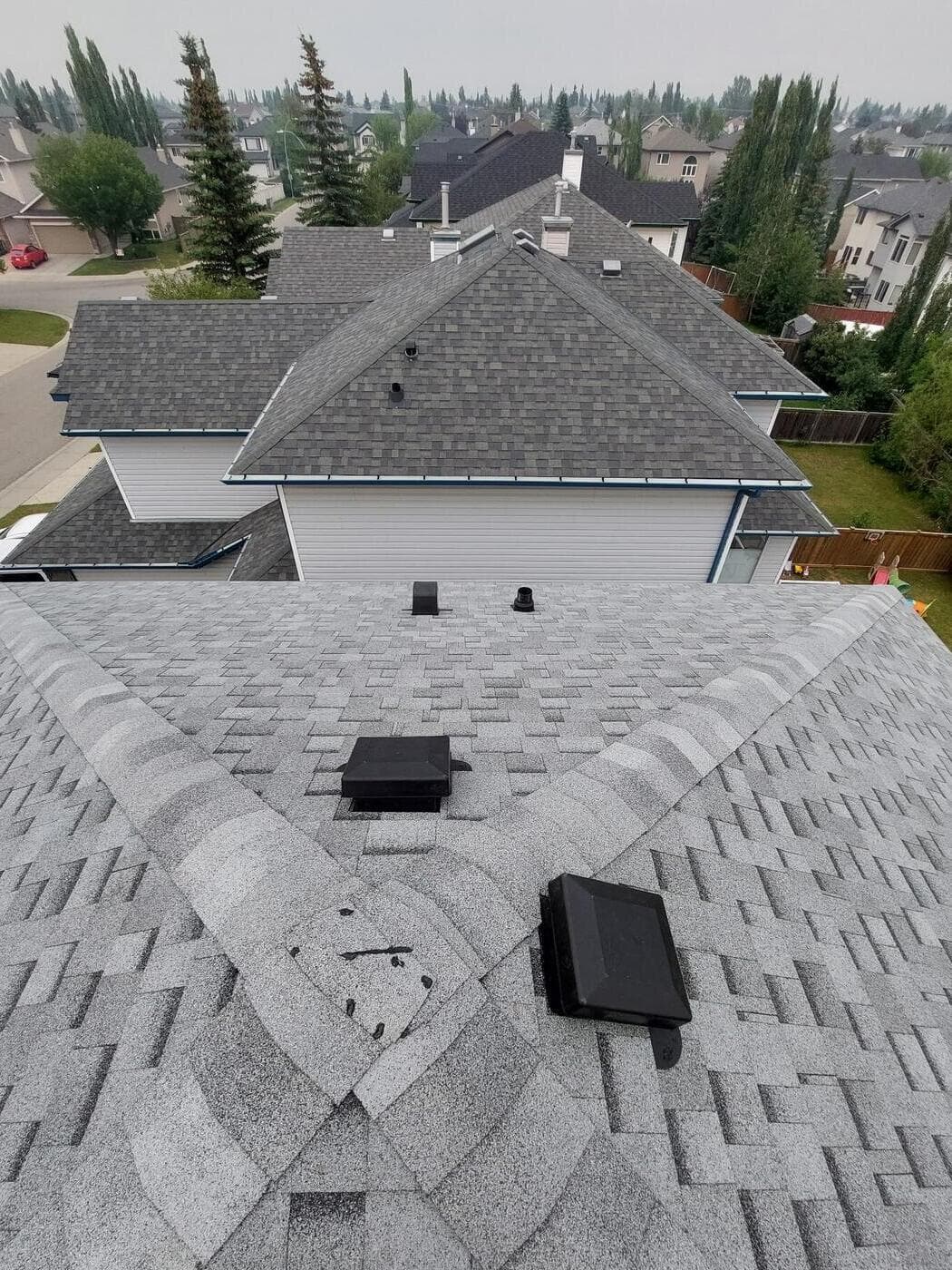
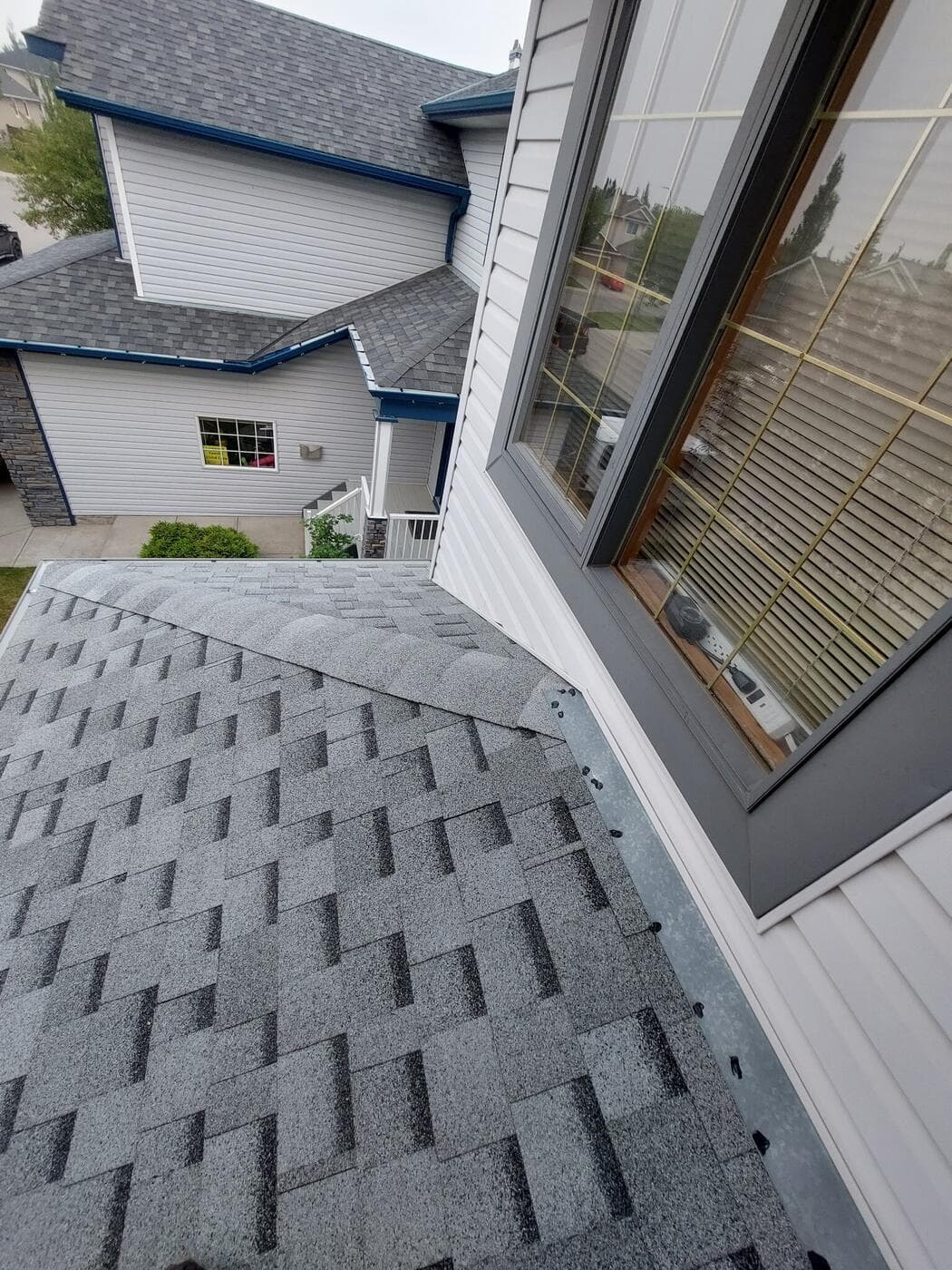
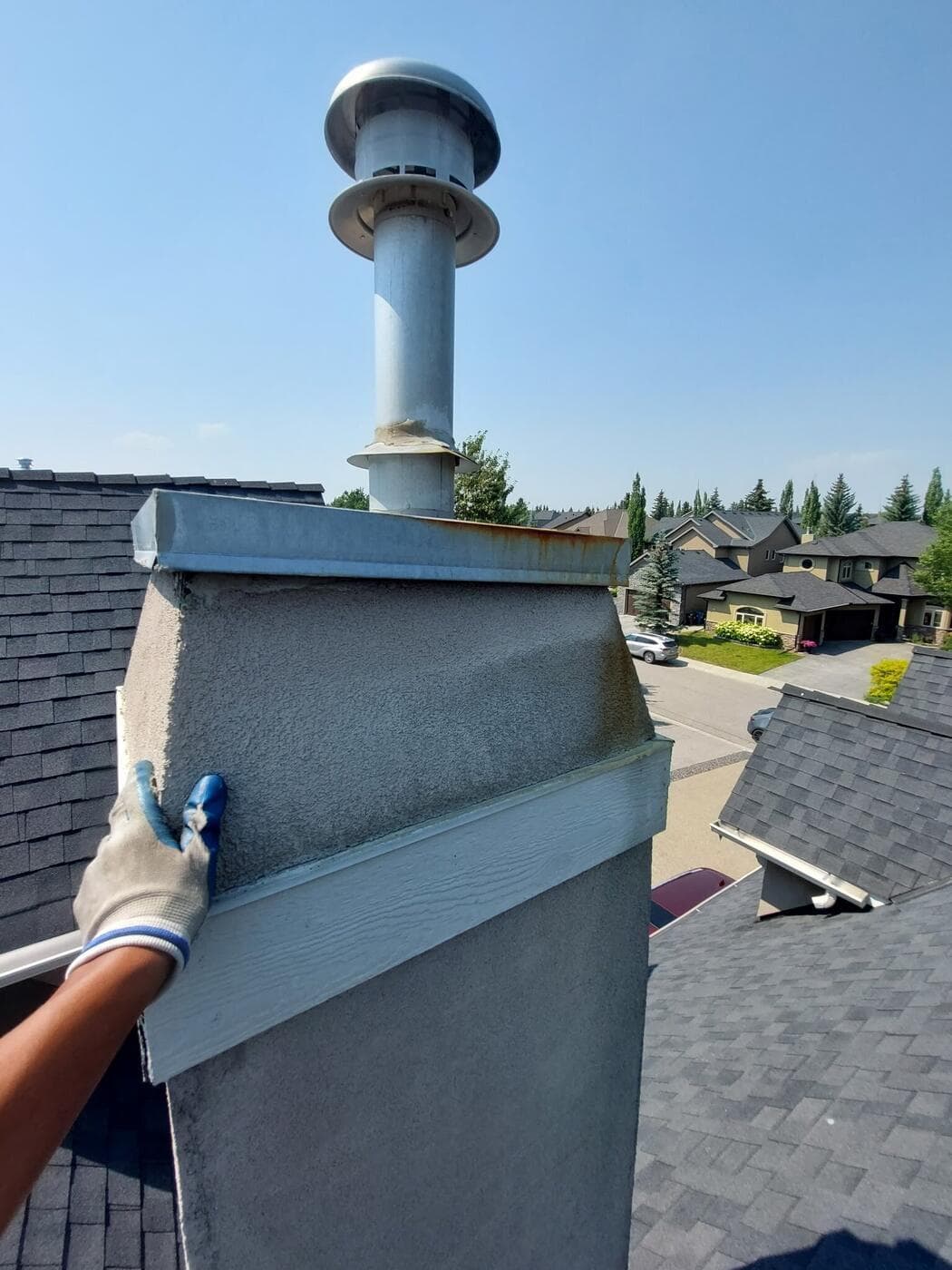
A leaking skylight is usually a flashing problem wearing a skylight costume.
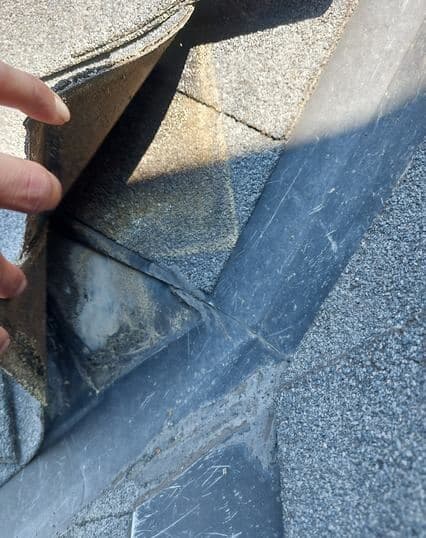
Almost every skylight leak we're called to is not the skylight. It's the flashing kit around it, the seal where the curb meets the roof deck, or the shingle course above it that's been shedding water sideways into the head flashing. The glass and the frame are usually doing exactly what they were designed to do.
That distinction matters because the two fixes cost very different amounts. Replacing a functioning skylight because someone diagnosed the leak from inside the house is one of the more expensive unnecessary purchases in residential roofing. Diagnosing it properly takes getting on the roof and looking at the flashing detail, which is what the inspection is for.
In order of how often we find them:
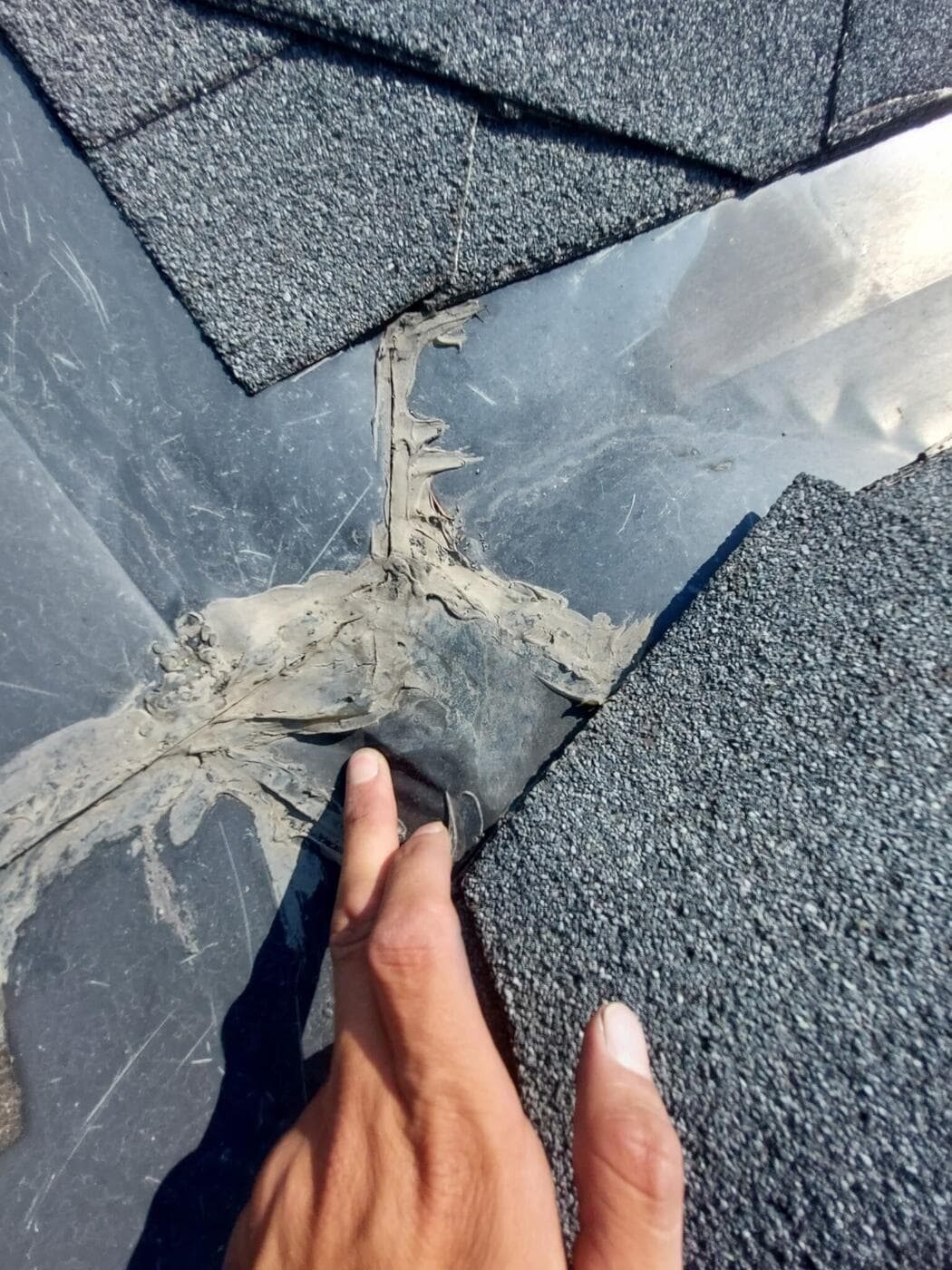
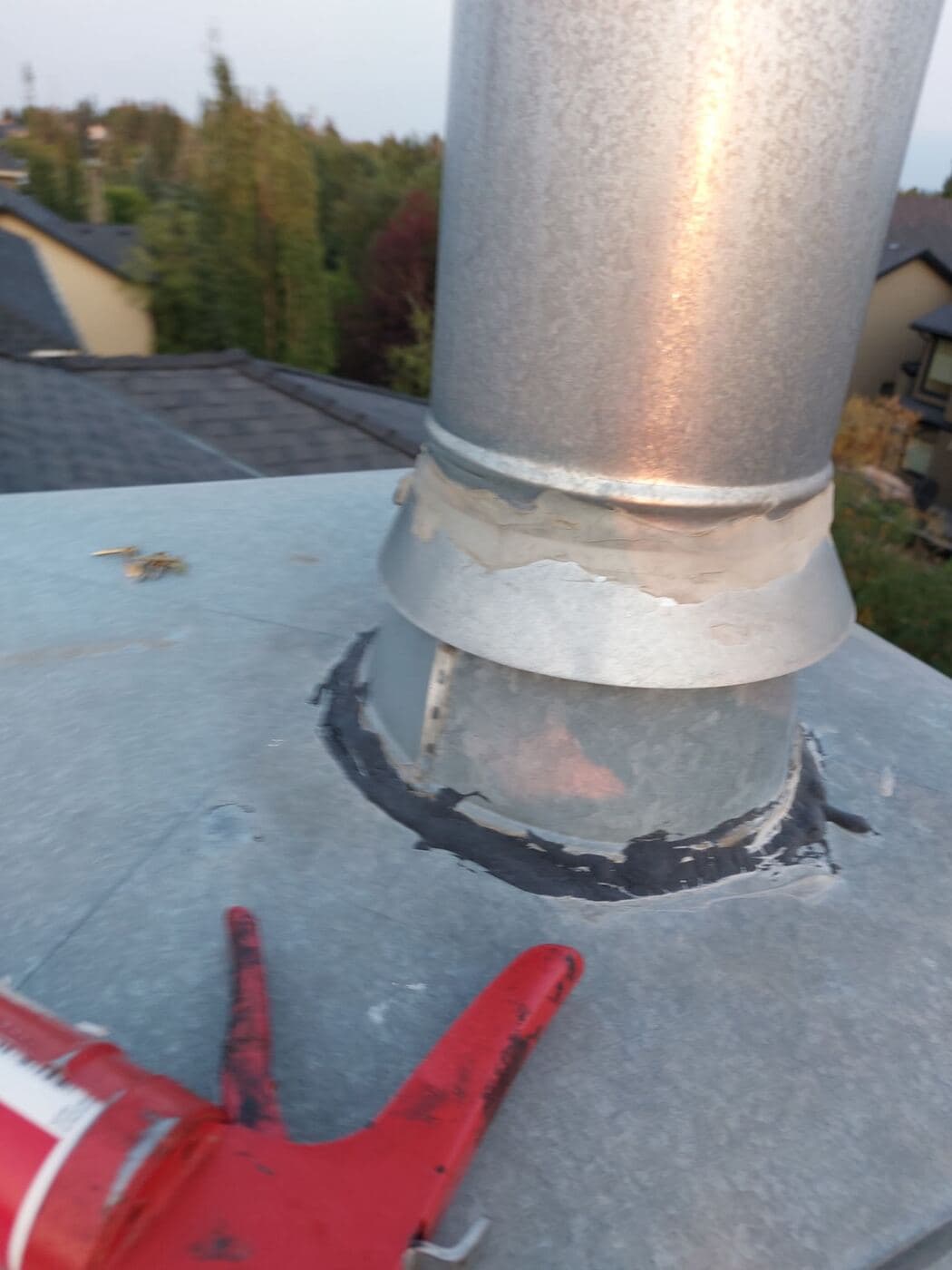
A skylight flashing kit is designed to be integrated into the shingle courses as they go on — woven in, not laid over. It takes longer and it takes care. A crew working fast will reuse the existing flashing and seal the edges with caulk, which works for a season or two and then doesn't, because caulk is not a flashing system. If your skylight started leaking within a couple of years of a roof replacement, that is almost certainly what happened. Ask any roofer quoting your re-roof whether new skylight flashing kits are included, and get the answer in writing.
There are real cases for replacement. A skylight with a failed seal between the glass panes — fogging, permanent condensation inside the glazing — cannot be repaired. An old acrylic dome that has gone brittle and yellow is at the end of its life. A unit older than about 25 years being exposed during a re-roof is worth replacing while the roof is open, simply because doing it later means opening the roof again. Outside those cases, replacing a working skylight to fix a flashing leak is spending money on the wrong component.
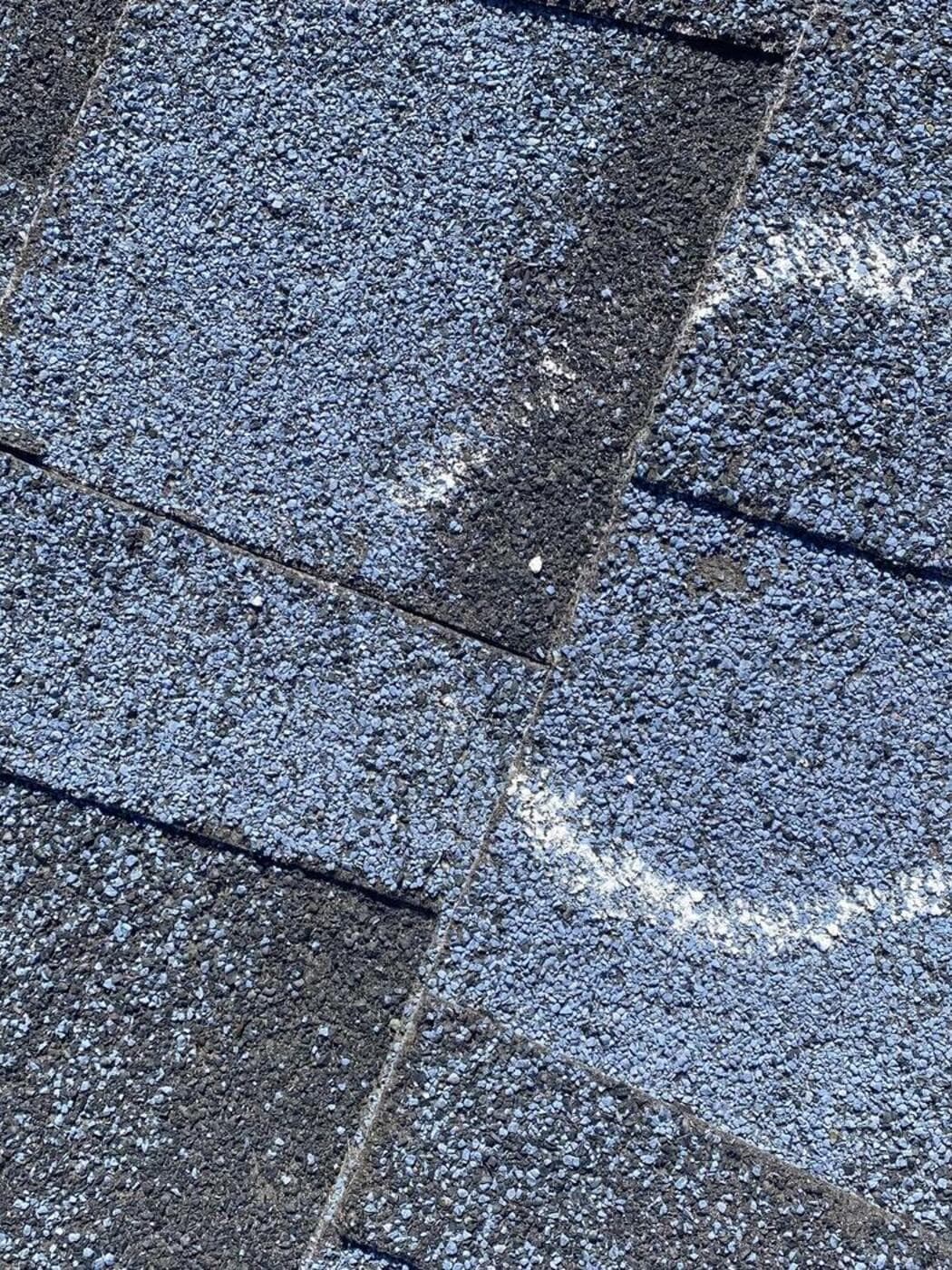
Skylights take hail badly, and they're routinely left off claim scopes. Acrylic domes crack and craze; glass units can survive the impact while the seal fails, which shows up as fogging months later. If your roof has a hail claim, the skylights belong in the scope with their own documentation. An adjuster works from what's in front of them — a report that doesn't mention the skylights produces a settlement that doesn't cover them.
Usually yes, and it's a classic pattern. Wind-driven rain gets pushed up under flashing that handles ordinary vertical rain fine. Intermittent leaks that track with wind direction point at flashing almost every time, and they're maddening to diagnose from inside because they don't reproduce on demand.
Depends where the water is. Water on the room-facing surface of the glass is condensation — a humidity and ventilation problem, not a roofing one. Water or fog trapped between the panes means the sealed unit has failed, and that can't be repaired; the unit needs replacing.
Yes — curb-mounted or deck-mounted, cut and flashed as part of the roof system rather than added on top of it, which is the difference between a skylight that's part of the roof and one that's a hole with a window over it. It does cut a structural opening, so framing and any permit are part of the scope and get priced up front rather than discovered halfway through. Best done during a re-roof, when the roof is already open.
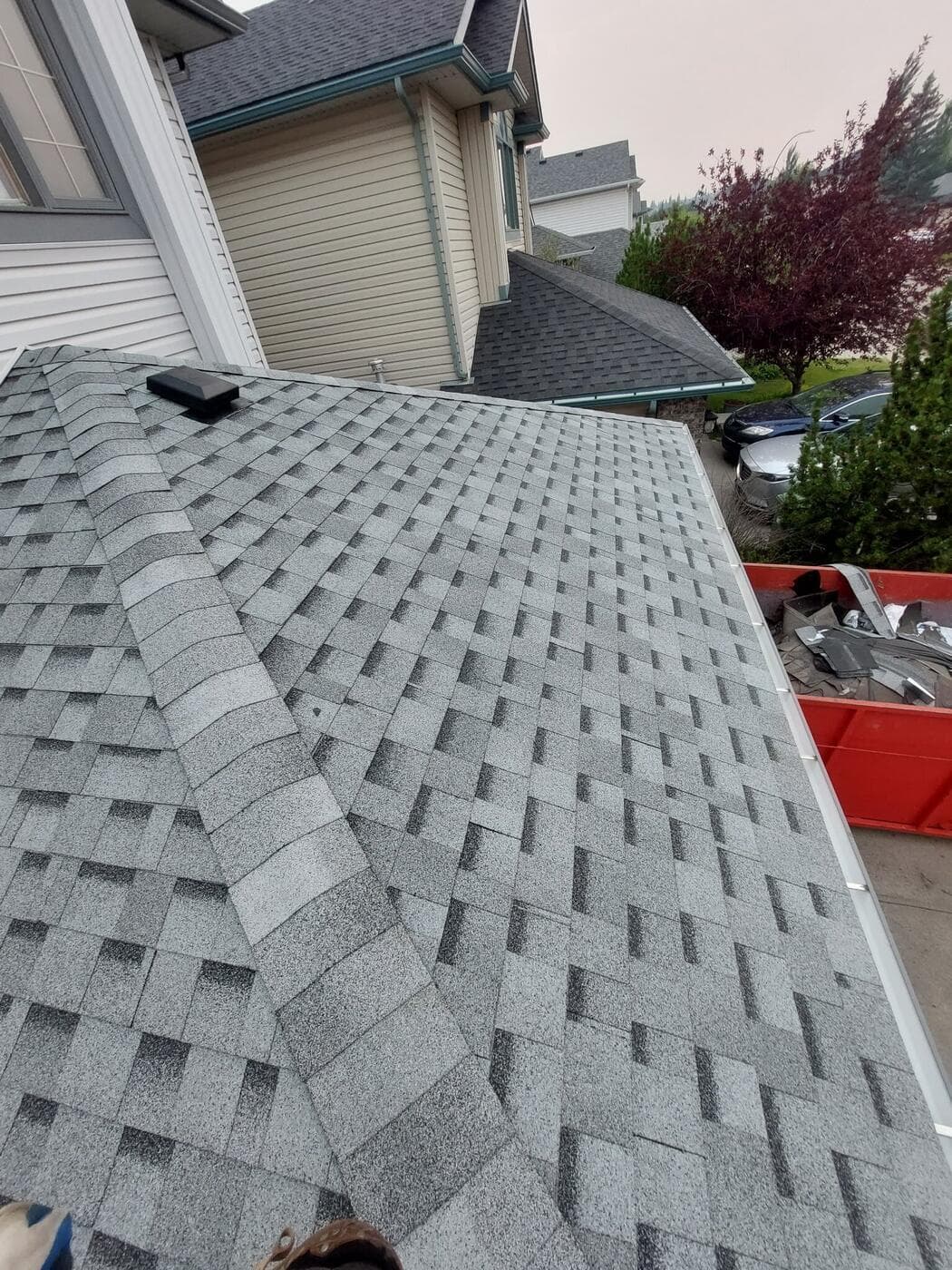
Get a new flashing kit installed with the new roof, always — reusing old flashing is where the next leak comes from. And if the unit is over about 25 years old, replacing it while the roof is open costs far less than doing it as a separate job later.
Drop your name and a way to reach you. We'll follow up with next steps — no pressure, no sales call.