We document far more roofs than we repair. This is the page for the people who read the reports.
This page is not written for homeowners. It's for adjusters, insurers, property managers, public adjusters and restoration contractors who need a roof assessed and documented to a standard that survives review.
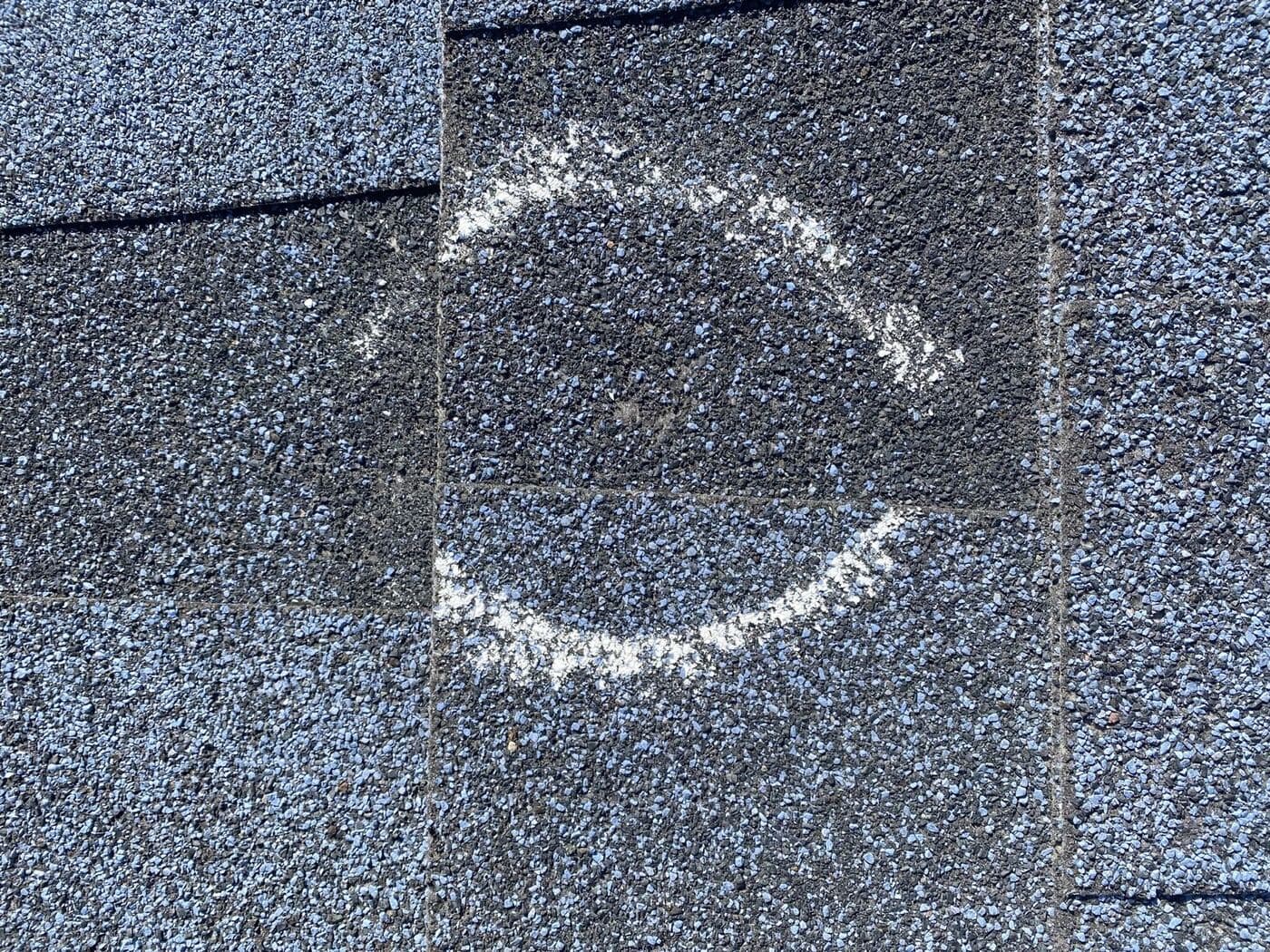
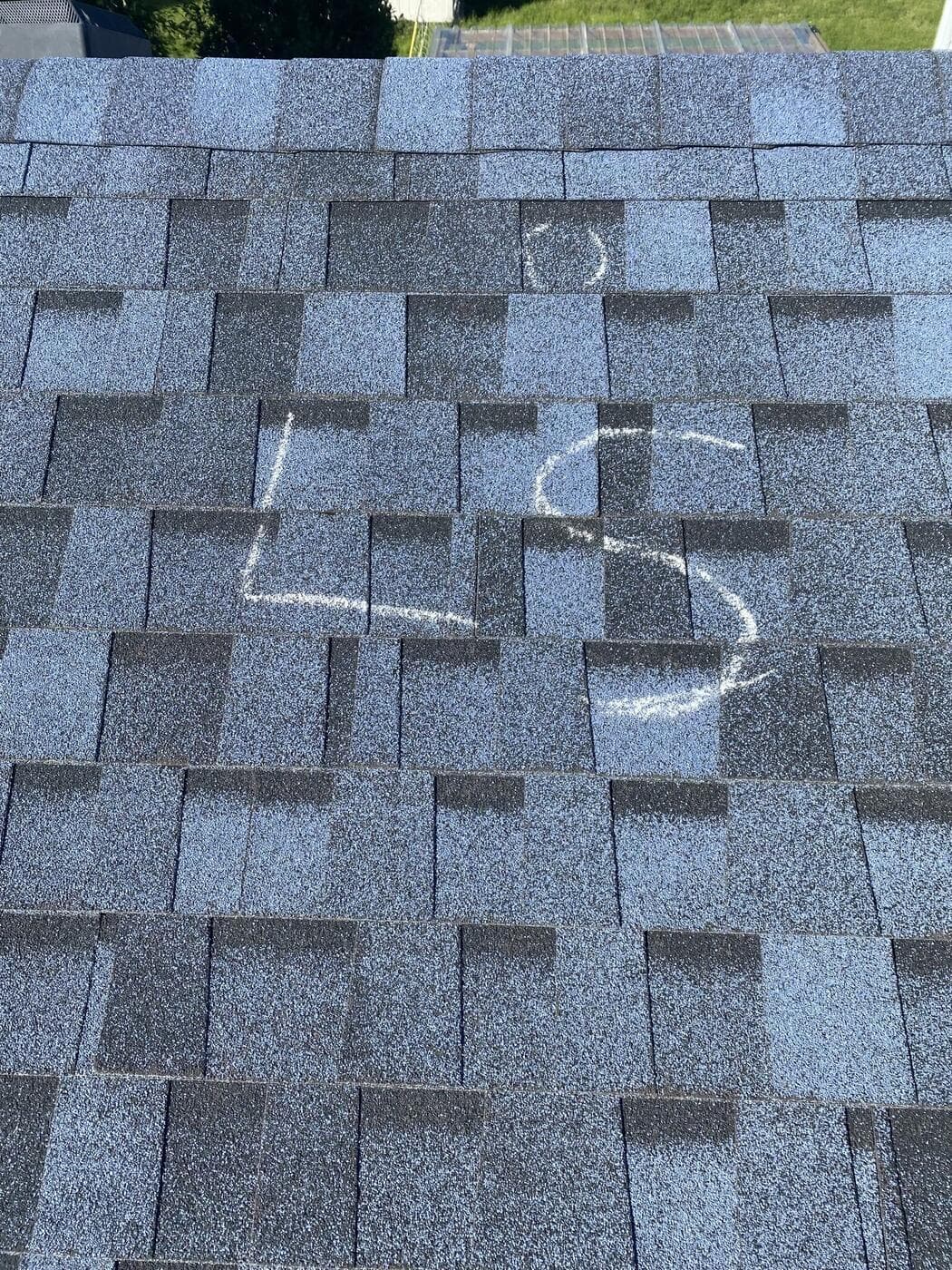
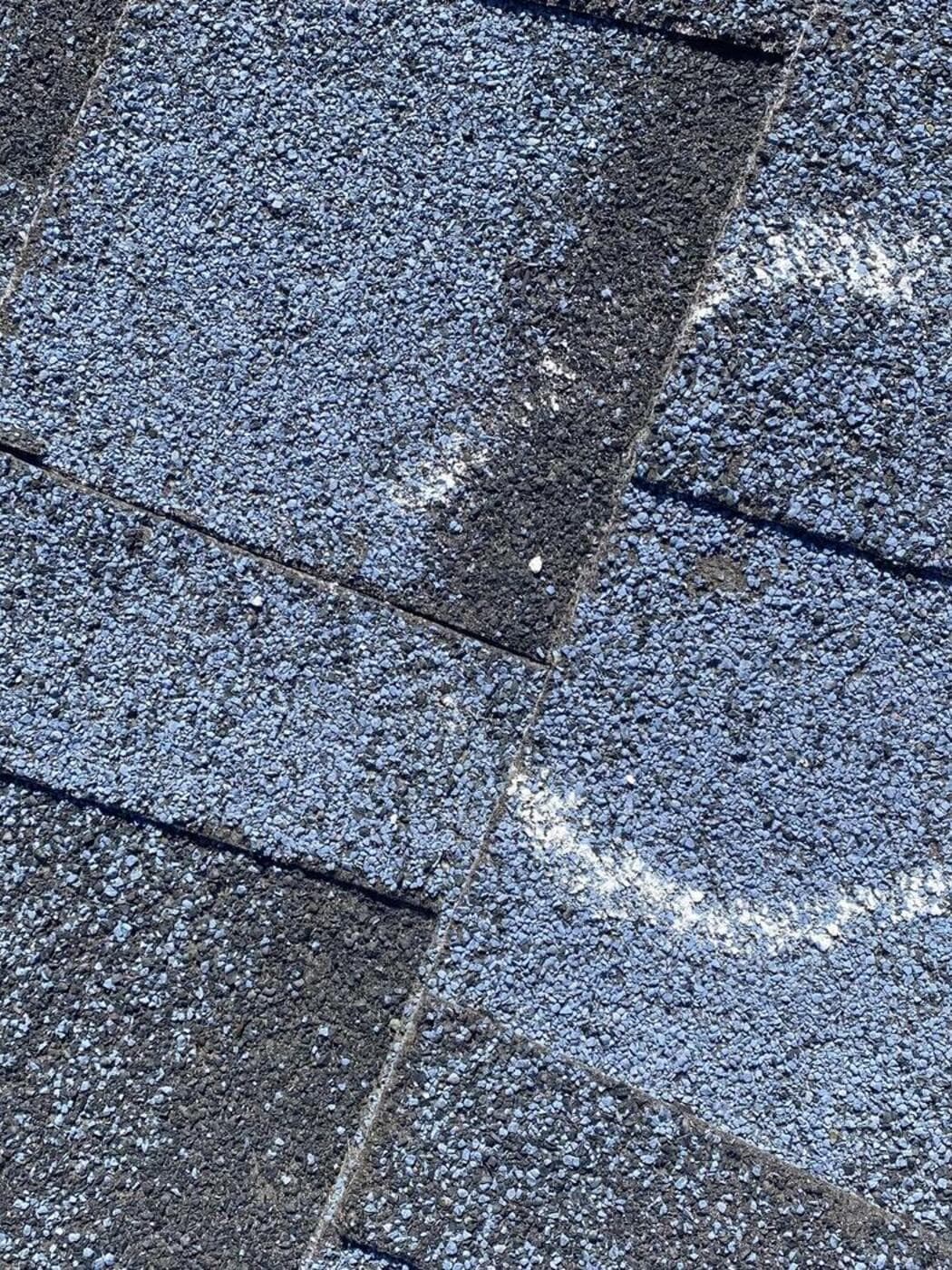
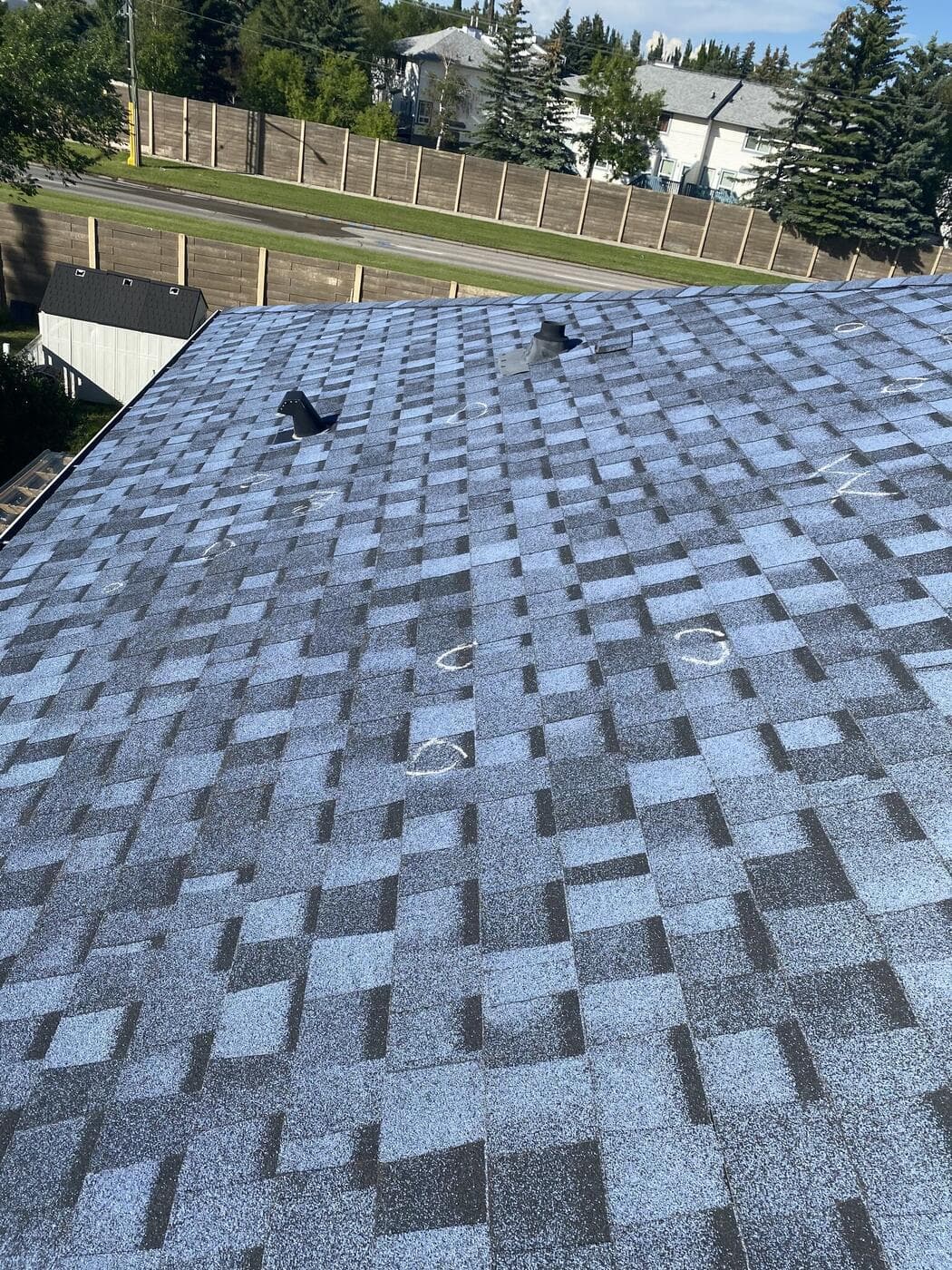
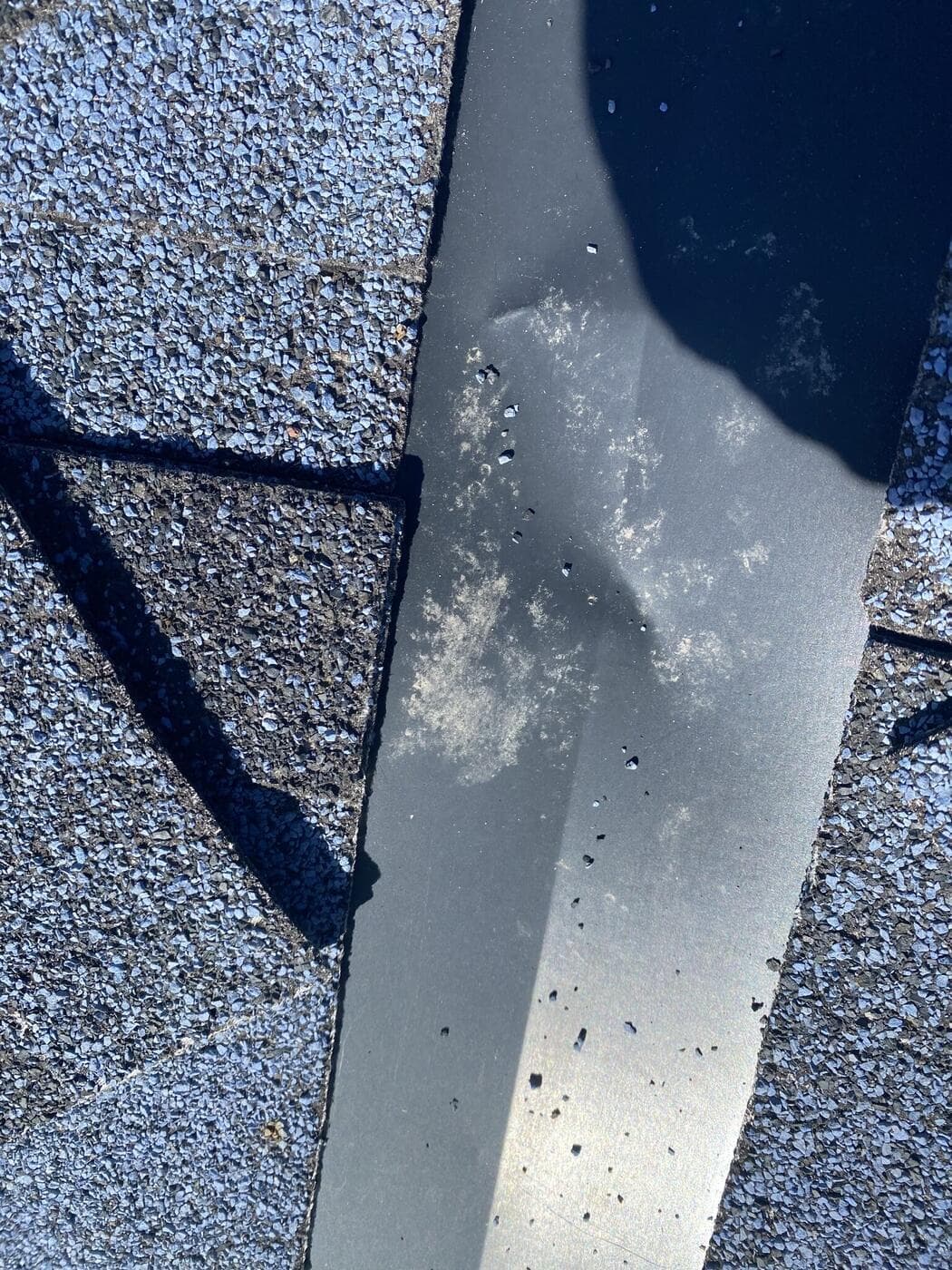
The core problem in Alberta hail claims is not whether damage exists. It's that the assessment is inconsistent — one inspector calls a slope, another doesn't, the file bounces, and the cycle time stretches while the policyholder gets angrier. What resolves that is a documented methodology applied the same way every time, with photographs that let someone who wasn't on the roof reach the same conclusion.
Every report is built the same way regardless of who ordered it or what the outcome is. We are not incentivised to find damage — an honest negative finding is worth more to a working relationship than a marginal call that gets overturned.
A contractor who only makes money if the claim is approved is a contractor whose assessment is worth less. That is a structural conflict and everyone in the claims process knows it. We do both — we document, and we repair — but the documentation is written the same way whether or not we end up doing the work, and the report says plainly when a roof does not have claimable damage. That's the reason the reports get accepted rather than argued.
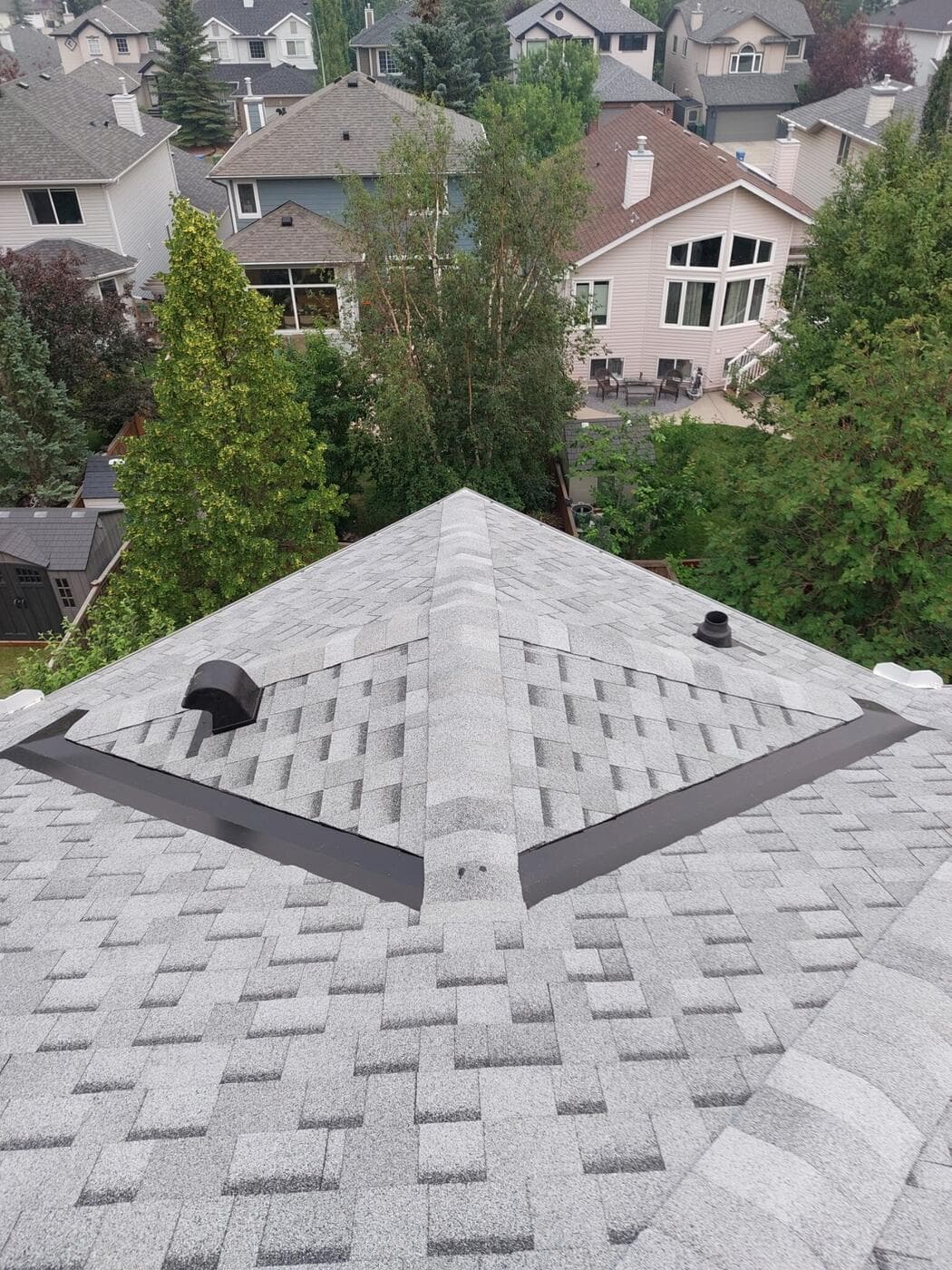
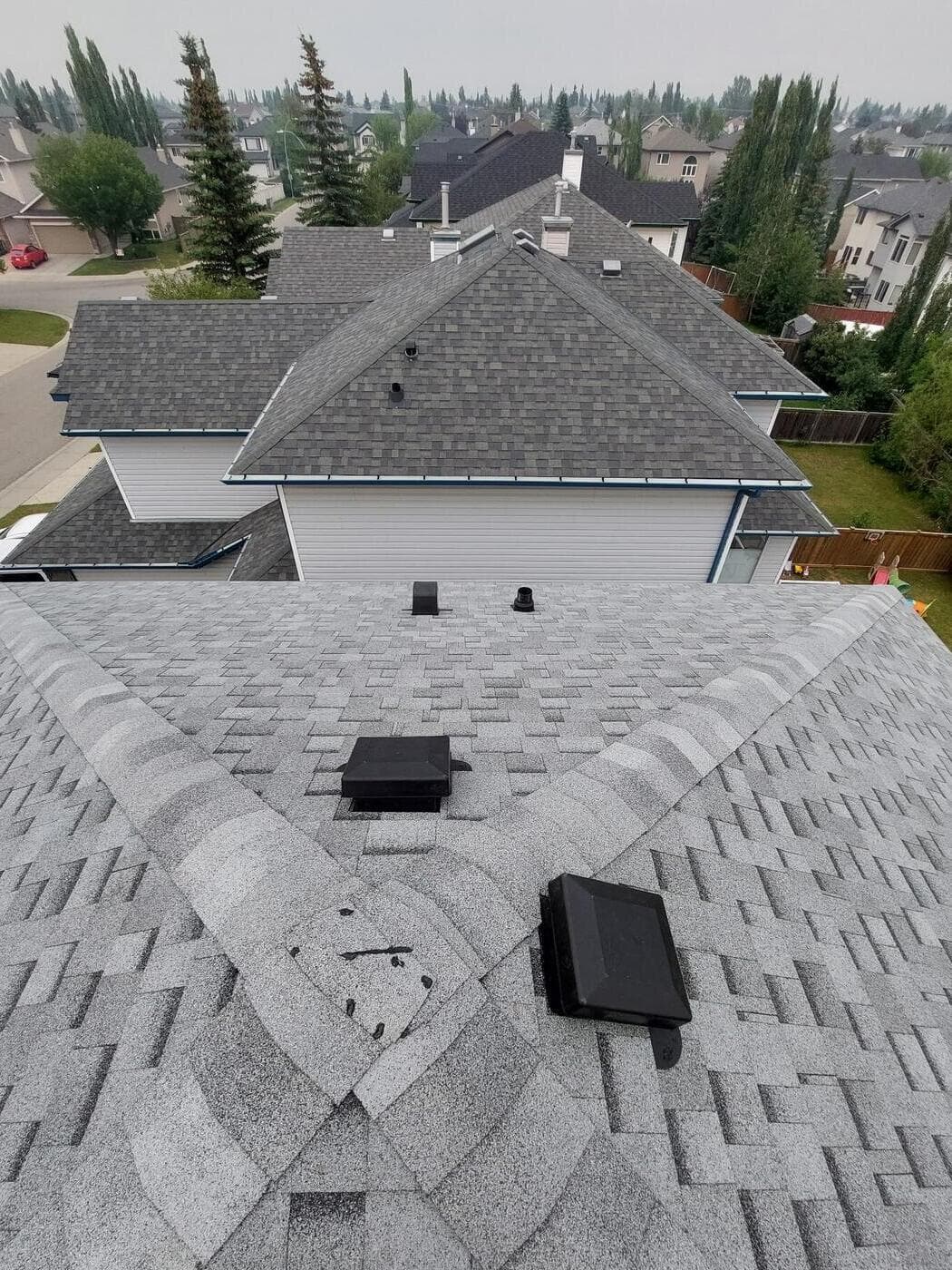
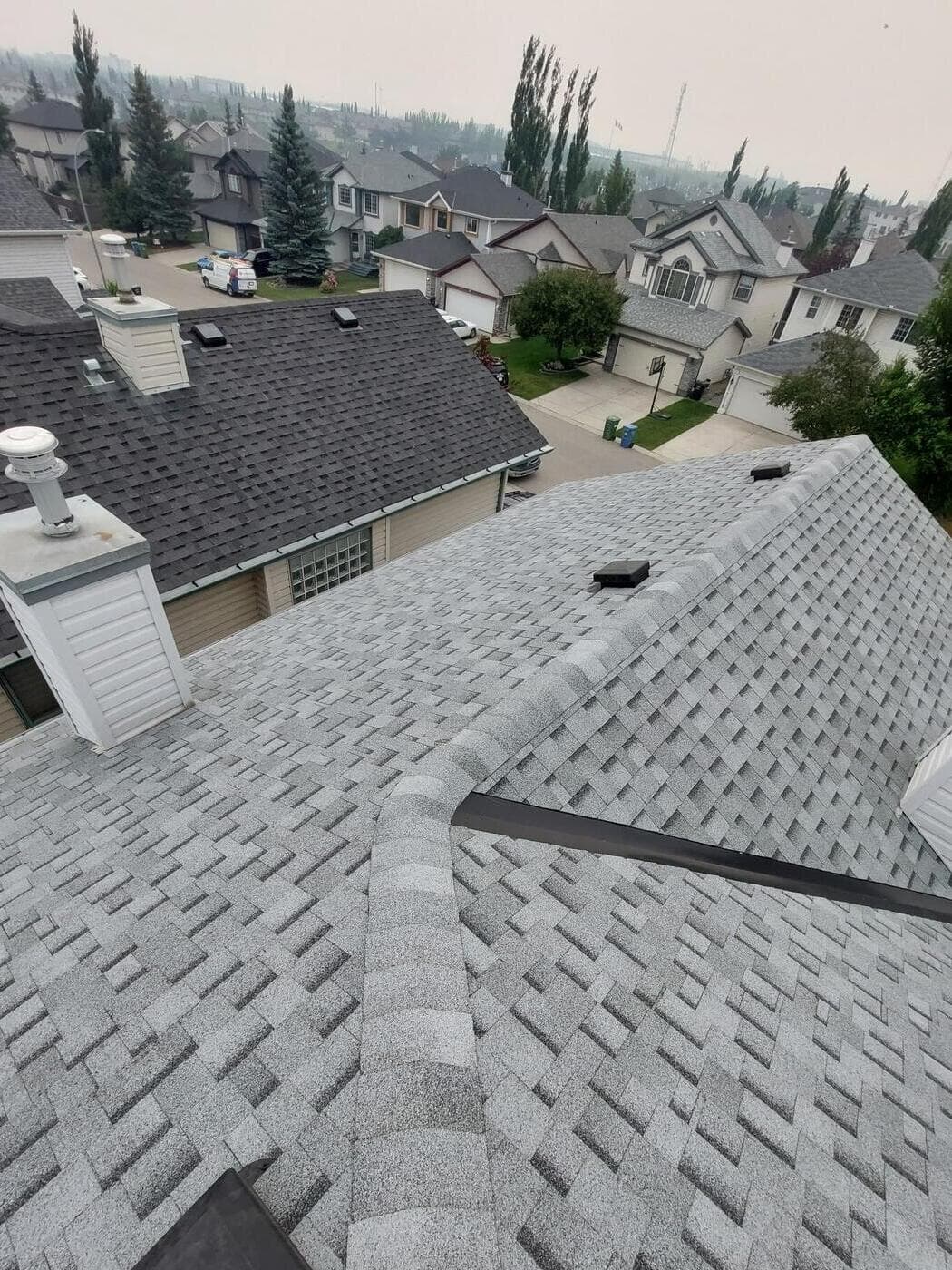
For property managers and condo boards, the repeated problem is that a hail event hits twenty buildings and produces twenty inconsistent assessments across however many contractors were available that month. We document a portfolio to one standard in one pass, with a per-building report and a roll-up. That is the difference between a board that can make a decision and a board that spends a year comparing incomparable documents.
Sloped asphalt is where our assessment is strongest. Flat and low-slope systems — TPO, EPDM, modified bitumen, built-up and PVC — we assess and document too, and the damage signature there is different enough that a shingle-trained inspector walks straight past it: membrane bruising and fracturing, displaced gravel on a built-up roof, split metal flashings, damaged drain baskets. Flat-roof hail damage is the most consistently under-documented category we see. Where a file needs a specialist engineering assessment rather than a contractor's report, we will say so rather than produce one outside our competence.
Both, and we keep the methodology identical either way — that's the entire value proposition. A report that changes depending on who commissioned it is worthless to everyone including the party who paid for it.
HAAG Engineering publishes the damage-assessment standard most North American adjusters are trained on: how to lay out test squares, what constitutes functional damage versus cosmetic marking, how to distinguish hail from mechanical damage and from normal weathering. Assessing to the same standard the reviewing adjuster was trained on removes the largest source of dispute, which is two people using different definitions of damage.
Field work is one visit. Report turnaround depends on volume and complexity, and we'll give you a real date when you send the file rather than a standard promise. After a major event, everyone's queue is long and we'd rather tell you that than miss a date you planned around.
Yes — second-opinion and re-inspection work is a normal part of this. If a prior assessment is being disputed, we'll document what's there now and say plainly where our findings differ and why. We won't characterise another inspector's work beyond the evidence.
Commercial general liability and WCB Alberta coverage, with certificates available before we attend. Our licences and coverage are listed on the credentials page with the issuers' own verification links.

Drop your name and a way to reach you. We'll follow up with next steps — no pressure, no sales call.