HOMEFULL-EXTERIOR RESTORATION
FULL-EXTERIOR RESTORATION

FULL-EXTERIORINSURANCE RESTORATION.

Hail doesn't only hit the roof. A claim that only scopes the roof is an underpaid claim.

  • SCOPEWHOLE EXTERIOR
  • DOCUMENTEDONE PASS
CALGARY CREW · OPEN BOOKING

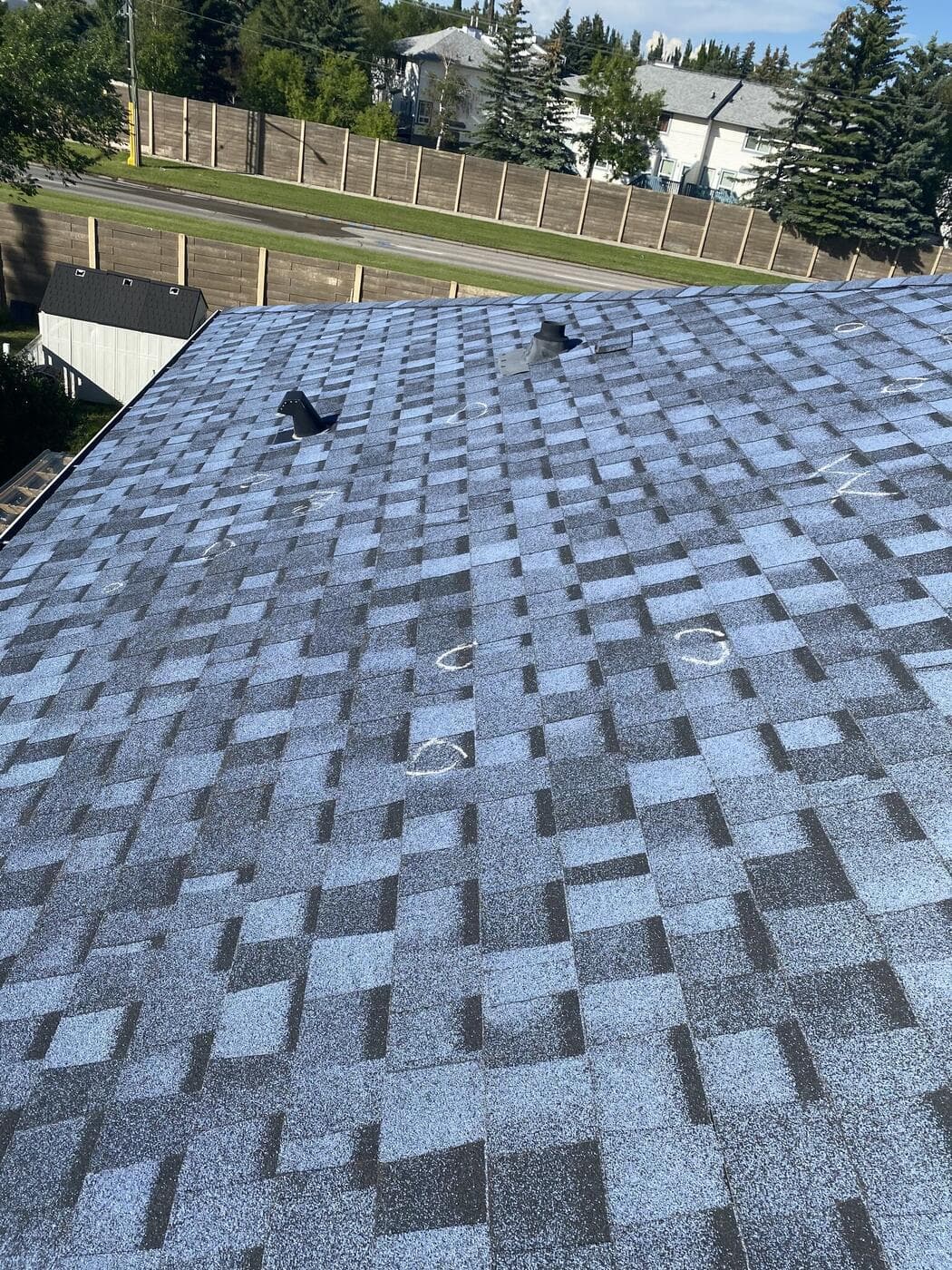
The single most common way an Alberta hail claim gets underpaid is scope. A roofer comes out, documents the roof, and the settlement covers the roof. Meanwhile the same storm marked the siding on the north elevation, dented the gutters and downspouts, cracked the fence caps, pitted the AC condenser fins and put holes in the deck boards — all of it covered by the policy, none of it in the report.

Adjusters work from the scope in front of them. They are not obliged to go looking for damage nobody documented, and on a busy file they won't. Documenting the whole exterior in one pass is not an upsell; it's the difference between a settlement that rebuilds what the storm damaged and one that rebuilds part of it.

What's in the exterior scope

Everything the storm touched, whether or not we're the trade that repairs it:

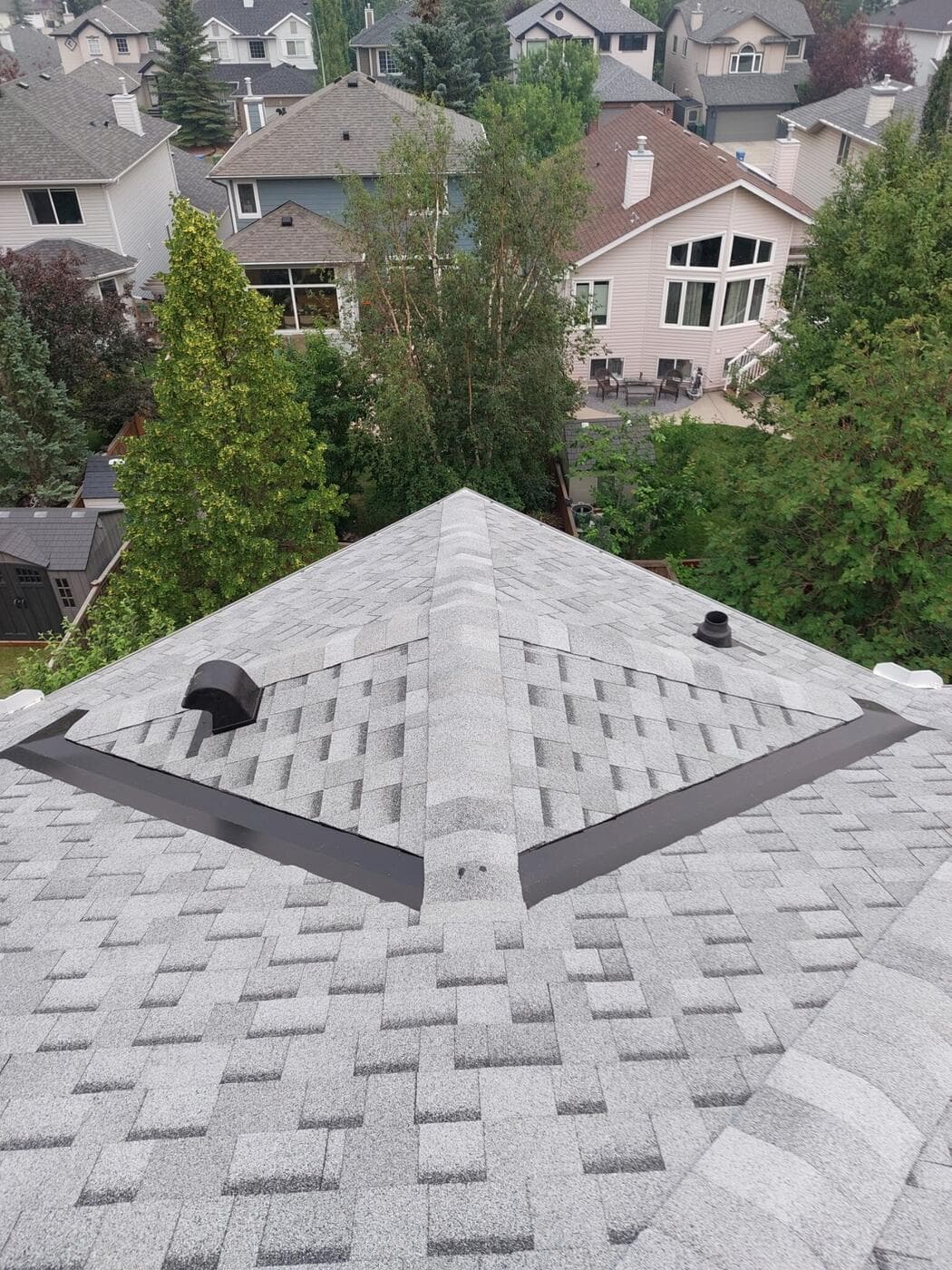
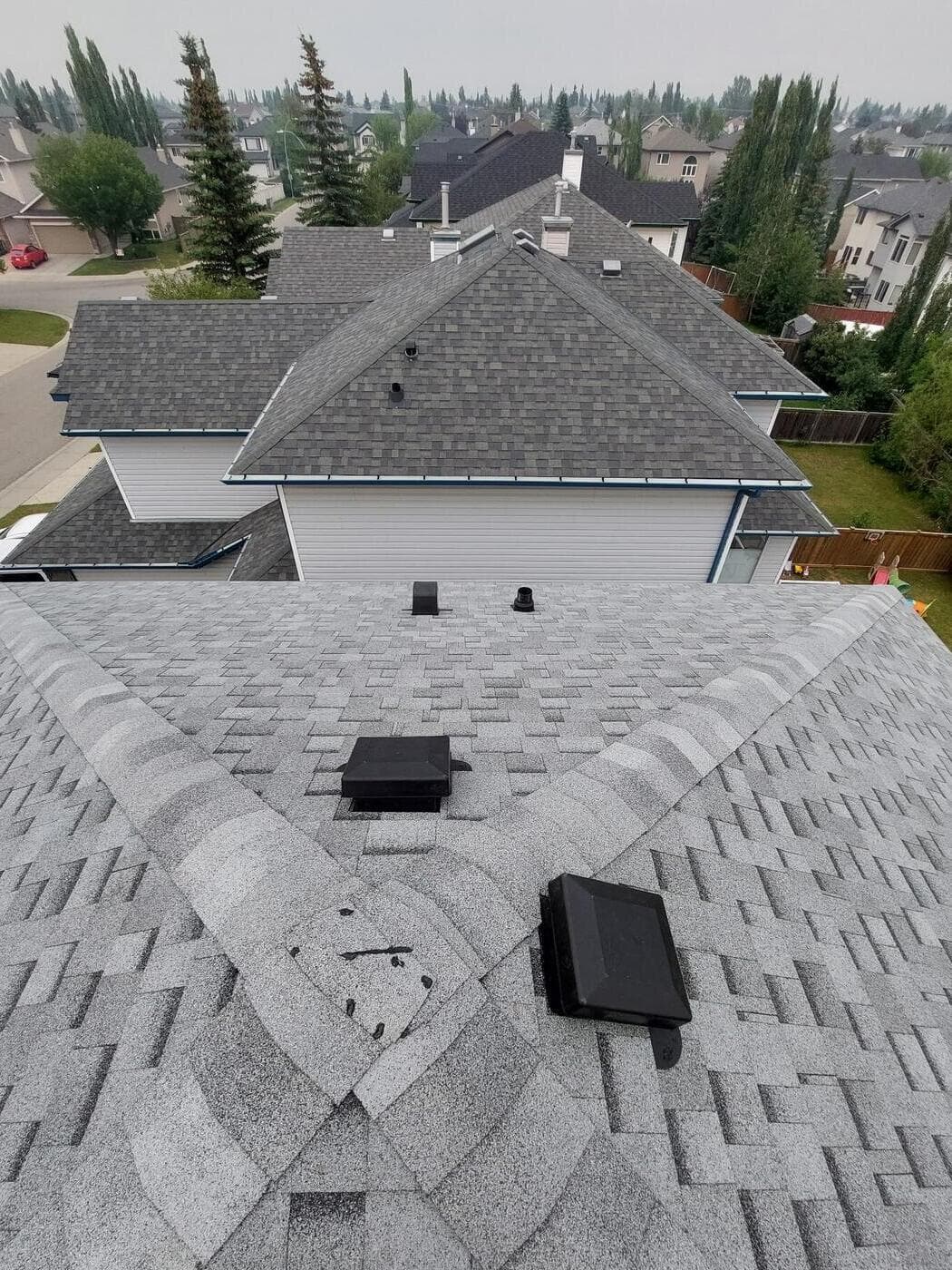
  • Roof — shingles, ridge, valleys, flashing, vents, skylights.
  • Siding — impact marks, cracks, and the tell-tale hail bruising on vinyl that only shows at a raking light angle.
  • Soffit and fascia — punctures and dents, frequently missed because nobody looks up under the eave.
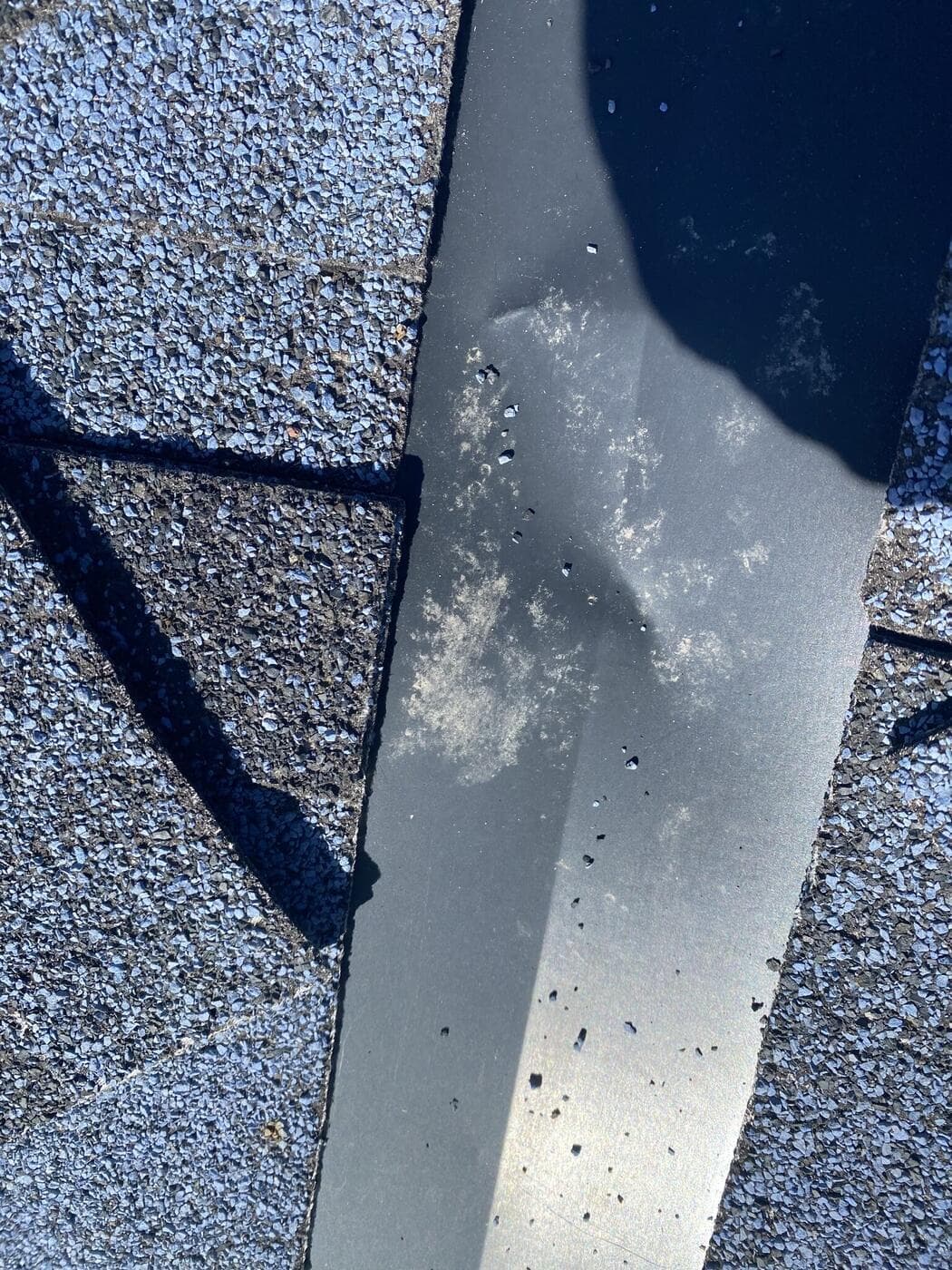
  • Eavestrough and downspouts — dents on the top face of a gutter are among the clearest corroborating evidence a storm produced.
  • Railings, fencing and decking. Decking is in scope on a restoration claim and it is routinely omitted.
  • Detached structures — garage, shed, shop. If they're on the policy they belong in the scope.
  • Soft metals and mechanicals — AC condenser fins, vent caps, gas meters, light fixtures.

Why one contractor for the whole thing

A multi-trade claim managed by the homeowner means chasing four contractors, four schedules and four invoices, each of whom blames the others for what they found. Managed by one contractor, it's one scope, one schedule, and one point of accountability when something doesn't match. Where a trade is genuinely outside what we do, we coordinate it through vetted partners rather than pretending — and we say which is which.

How the claim actually proceeds

You report the loss to your insurer — that's yours to do, and doing it promptly matters more than anything else. We inspect and document the full exterior. Your adjuster reviews, and where useful we meet them on site so the scope is agreed with everyone looking at the same roof rather than at two different reports. Work proceeds against the agreed scope. Then depreciation recovery: most Alberta policies pay actual cash value first and release the recoverable depreciation once the work is complete and invoiced, which is money a lot of homeowners simply never claim.

What we will not do

We will not waive, absorb, discount or 'work around' your deductible. That is insurance fraud in Alberta and the exposure lands on you as the policyholder, not only on the contractor who offered it. Anyone who proposes it is telling you exactly what they are. We also won't tell you a claim will be approved — that isn't our decision and nobody who says otherwise is being straight with you.

QUESTIONS

STRAIGHT ANSWERS.

My adjuster only approved the roof. Is that final?

Not necessarily. A scope can be supplemented with new documentation, and that's a normal part of the process rather than an argument. If the siding, gutters and fence have documented damage that wasn't in the original assessment, that evidence goes to the adjuster as a supplement. What it needs is photographs and a written scope, not a phone call.

Will claiming raise my premium?

That's between you and your insurer and we won't pretend to know your policy. What we can say is that a hail claim is a catastrophe-class loss rather than an at-fault one, and Alberta insurers price hail exposure regionally to a significant degree. Ask your broker directly — it's a fair question and a good broker will answer it plainly.

What's the difference between ACV and RCV?

Actual cash value is replacement cost minus depreciation for the age and wear of what was damaged — that's the first cheque. Replacement cost value is the full cost to replace. Most policies hold back the recoverable depreciation and release it once the work is actually done and invoiced. If you take the ACV cheque and never complete the work, you leave the rest behind permanently.

How long does the whole thing take?

The inspection is one visit. Adjuster review is the insurer's timeline, not ours, and after a major storm it stretches. Once the scope is agreed, the work itself is usually days rather than weeks. The honest answer is that the insurer's queue is the long pole and no contractor controls it.

RELATED
NOT READY TO TYPE AN ADDRESS?

WE'LL GET BACK TO YOU.

Drop your name and a way to reach you. We'll follow up with next steps — no pressure, no sales call.

OR REACH US DIRECTLY
EMAILcontact@bigboyroofing.ca
REACH THE CREW
FORM · CB

Giving us your number means you're okay with us calling or texting you about your roof — scheduling and quote updates, nothing else. Reply STOP anytime.

MESSAGE