Property managers and boards don't buy shingles. They buy schedule certainty, documentation, and one number to call.
A commercial roofing decision has almost nothing in common with a residential one. Nobody is choosing a shingle colour. The questions are whether the work disrupts tenants, whether the contractor's insurance and WCB standing clear your requirements, whether the schedule is real, and whether the paperwork will survive a board meeting or an insurer's review.
That is a different sale, so this is a different page. There is no instant estimate here and there never will be — commercial roofs get walked and scoped, and anyone quoting one from an aerial photo is guessing with your building.
Across all four of our trades, on commercial and multi-unit property.
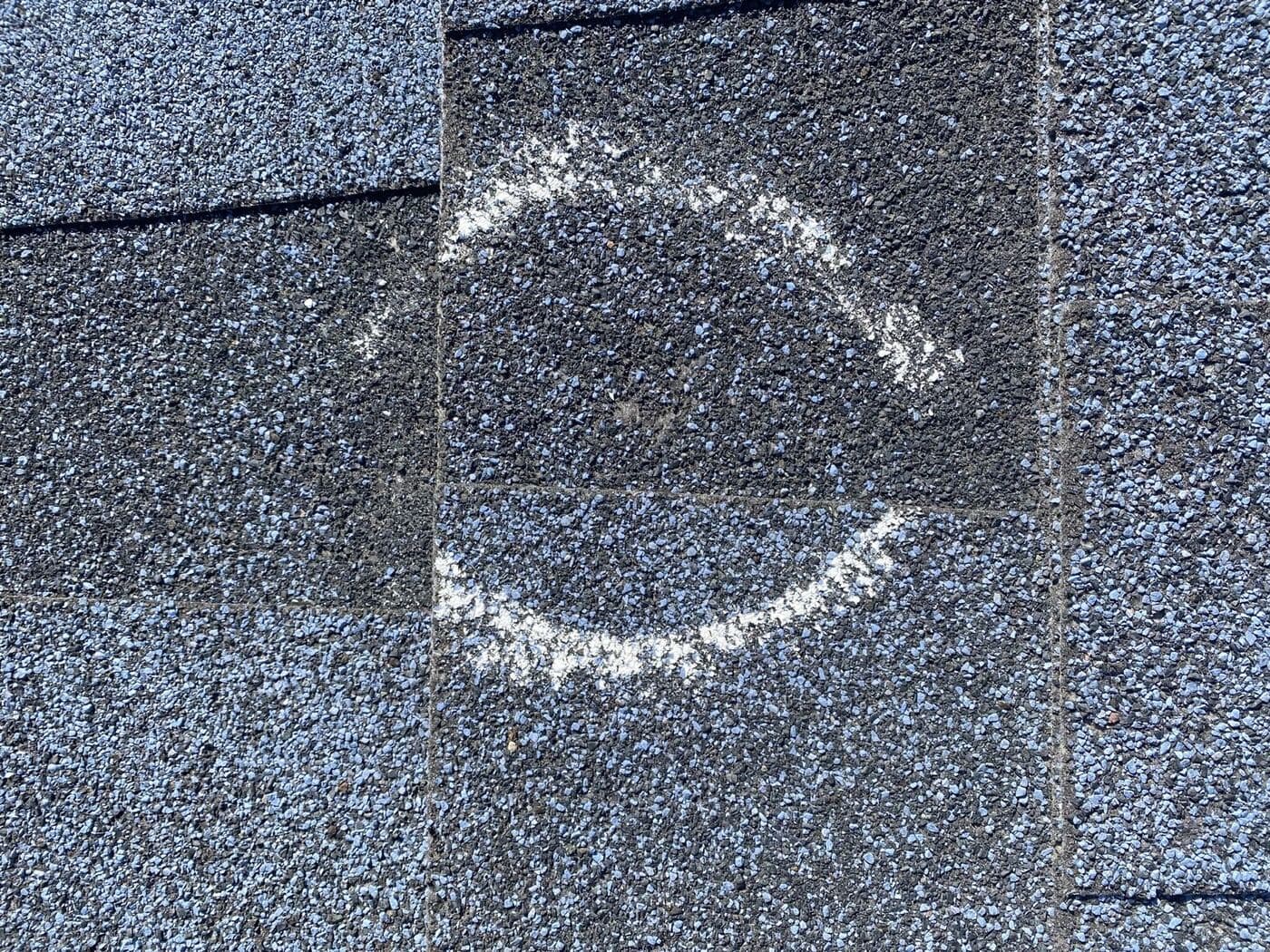
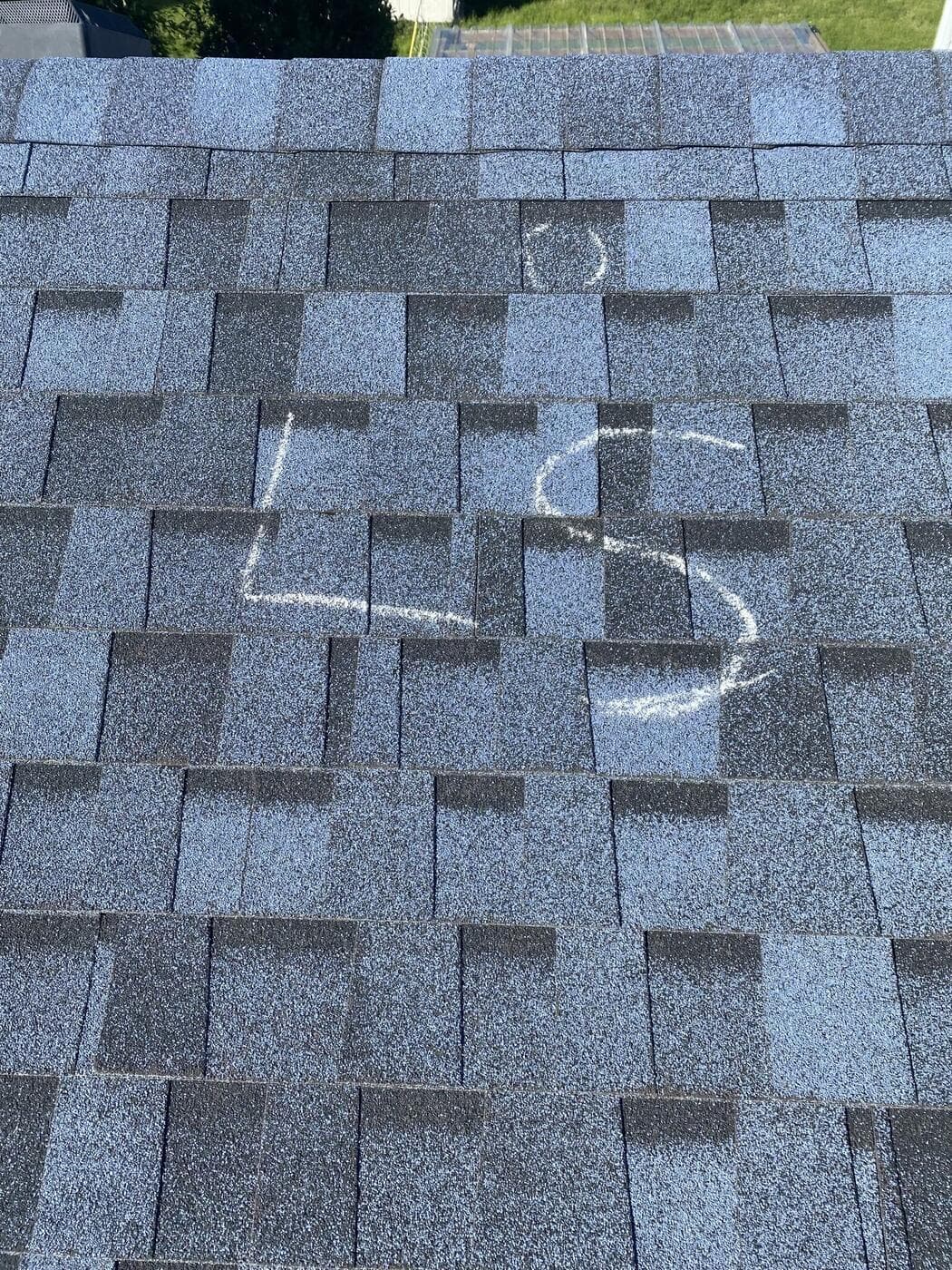
This is where we're most useful to a property manager, and it's a problem most managers recognise immediately. A hail event hits your buildings and produces as many different assessments as there were contractors available that month — different methodologies, different scopes, different conclusions, none of them comparable. A board or an owner then has to make a decision from documents that can't be read against each other. We assess to HAAG methodology, which is the standard most adjusters are trained on, and we document a portfolio to one standard in one pass: a report per building and a roll-up across them. That is the difference between a board that can decide and a board that spends a year comparing incomparable paperwork.
Commercial procurement asks for things residential never does, and we'd rather list them than be asked.
On an occupied building the roofing is rarely the hard part — the logistics are. Where materials land, where the dumpster sits, which parking stalls come out of service and for how long, how tenants are notified, and whether any of it can happen outside business hours. Torch-applied work adds a hot-work permit and a fire watch on top. We plan that before the truck arrives and put it in writing, because a schedule that ignores your tenants isn't a schedule, it's an apology waiting to happen.
Worth saying plainly, because a property manager will find out anyway. Roof-edge and low-rise work is squarely what we do. A high-rise, a building needing significant new electrical distribution for a lighting install, or a full flat-roof system replacement on a large industrial envelope is work where we'd either bring in the right trade or tell you to lead with someone else. We'd rather decline a building than learn on it — that's the same reason our inspection reports are worth reading.
Yes, and the reporting is built for it — a report per building plus a roll-up, documented to one standard so the documents can actually be compared. Ask about a portfolio walk if you have several buildings from the same storm; that's the situation where the consistency is worth the most.
Often, and it's worth raising early because it changes the schedule and the price. Tear-off is loud and it's the part that most affects tenants. Tell us the constraint up front and we'll build the plan around it rather than discovering it on day one.
Commercial general liability and WCB Alberta coverage, with certificates available before we attend. Tell us what your contract requires — many commercial and condo agreements set a higher limit than residential work needs, and it's better established now than at signing.
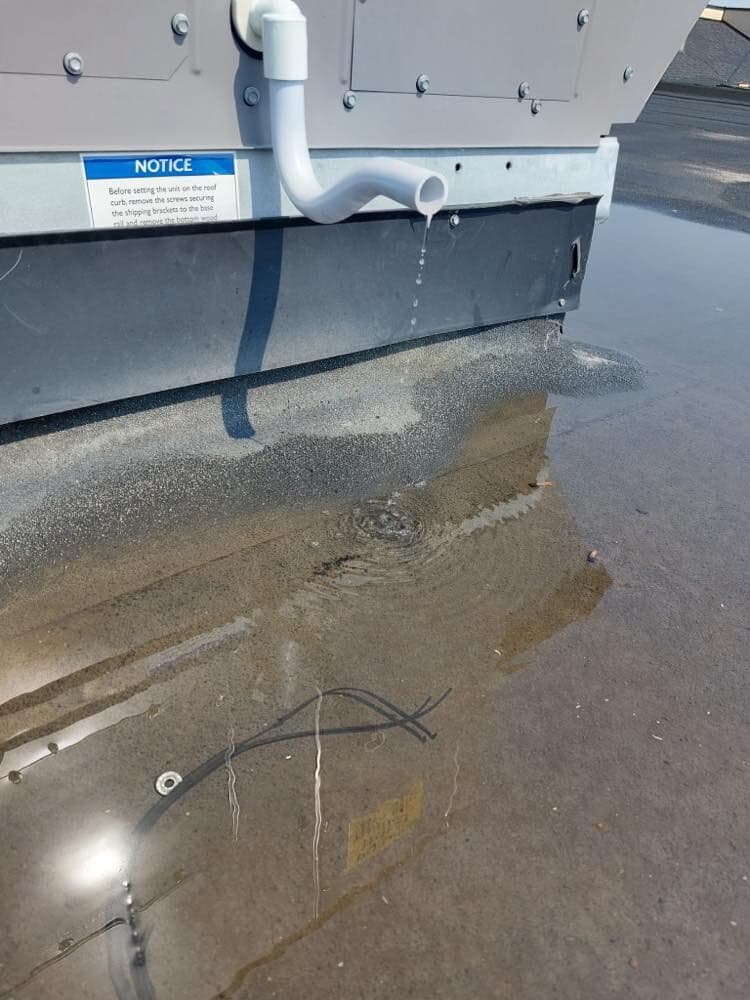
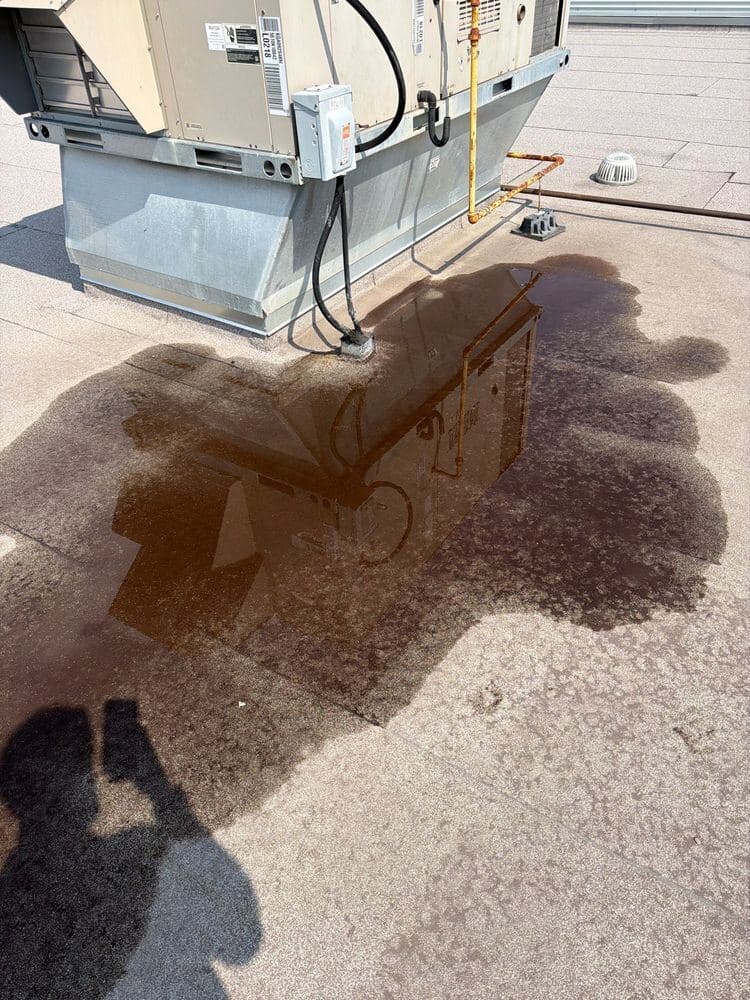
Both are available and replacement gets scoped per building and per system. Where we're most useful, and where we lead, is inspection, repair and claim documentation — that's where most flat-roof problems are, and flat-roof hail damage is the most consistently under-documented category we see. Ask about your specific building and you'll get a straight answer.
On site, after walking it. There's no instant estimate and there won't be — the drainage design, the deck condition, the access constraints and the tenant logistics all move the number materially, and none of them are visible from an aerial photo.

Drop your name and a way to reach you. We'll follow up with next steps — no pressure, no sales call.