EMERGENCY REPAIR

EMERGENCY ROOFREPAIR IN CALGARY

When water is coming through your roof, the first job is stopping it: we find where it gets in, tarp or temporarily seal the roof, and photograph the damage before anything is covered. The permanent repair is then priced in writing, and you approve it before it starts.

What's included

  • Finding where the water is actually getting in
  • A tarp or temporary seal to keep the house dry
  • Photos of the damage before it's covered, for your insurer
  • A written price for the permanent repair

What sets the price

The permanent fix is priced like any repair: what failed, how much of it, and how hard it is to reach, in one written price you approve first.

When to get in touch

  • Water dripping through a ceiling or light fixture
  • A tree or branch through the roof
  • Shingles or a section of roof torn off by wind
  • A leak that started during or right after a storm

What happens next

  1. Tell us where the water is coming in, in the form below.
  2. We find the entry point and stop the water.
  3. We photograph the damage and write up the permanent fix.
  4. You approve the price, then we do the repair.
GET A REPAIR QUOTE

Something has failed (shingles stripped by wind, a branch through the roof, flashing that let go in a storm) and water is getting into the house. The priority is to stop it, protect what's underneath, and buy the time to do the permanent repair properly rather than badly in the dark.

Until someone is there: stay off the roof, put a container under the drip, move what you can, and keep clear of any light fixture with water near it. Take photos of everything before you move it.

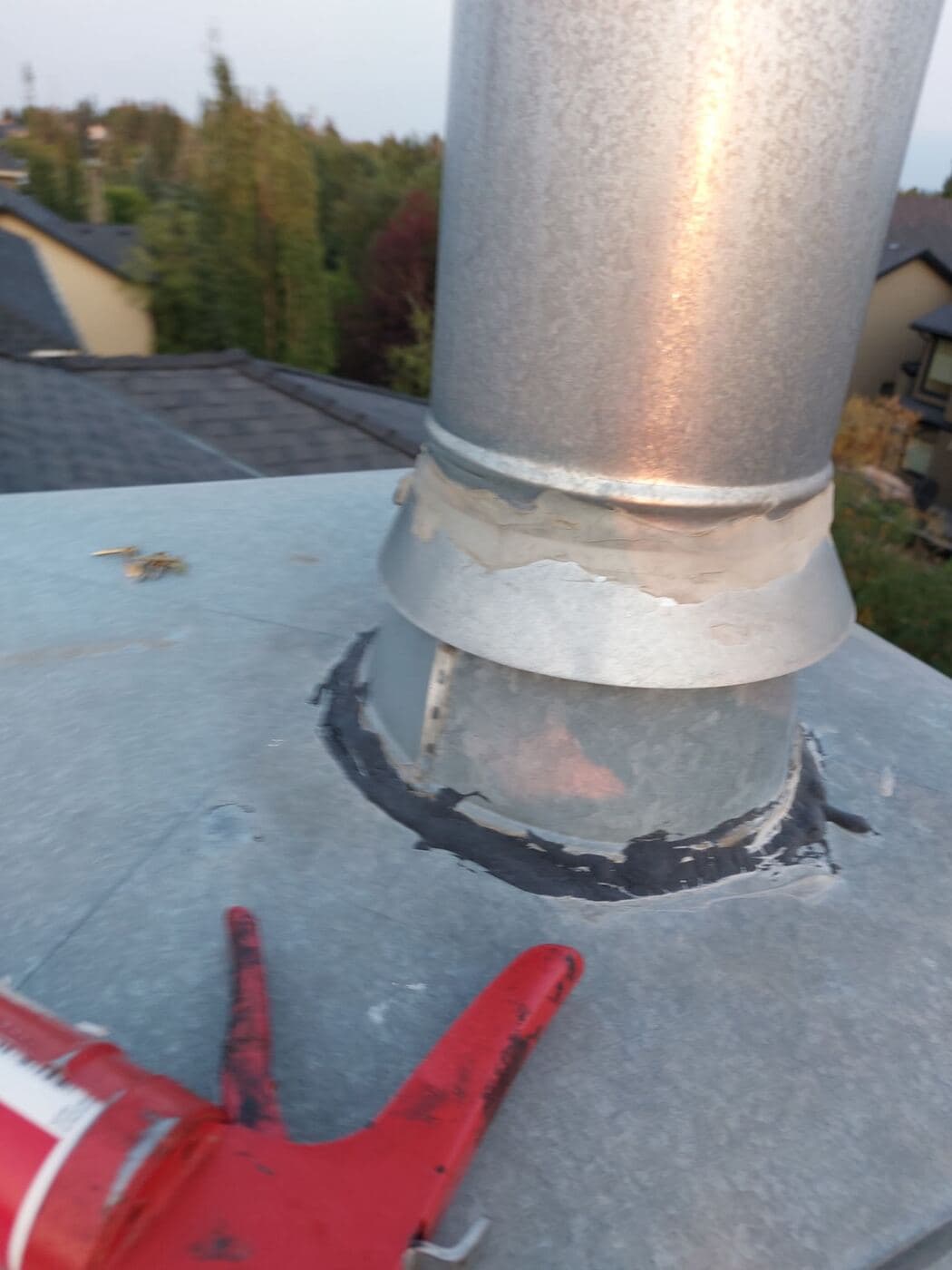
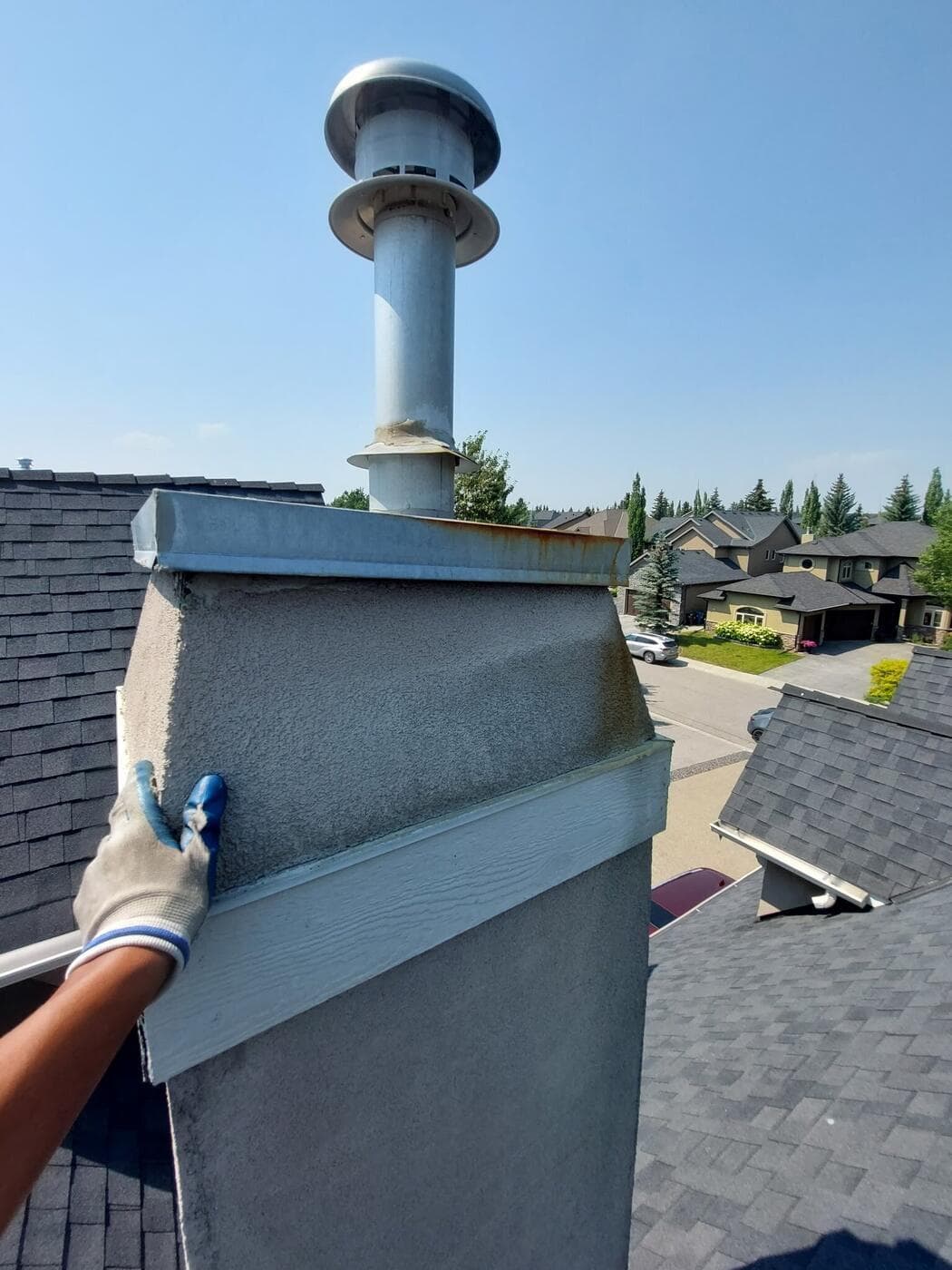
Rust-streaked cap flashing on a stucco chimney, checked by hand

What we do on the first visit

The goal is containment, not craftsmanship. Temporary work is exactly that, and it's marked as temporary in the photos, so it's clear which parts still need the permanent repair.

  • Locate the actual entry point, which is often not where the ceiling stain is. Water travels along the wood under the shingles before it drops.
  • Tarp, seal or temporarily patch the failure so the house is dry.
  • Photograph everything before it's covered up. This is the record that supports an insurance claim later, and it can only be captured once.
  • Record whether you're looking at a repair, a section replacement, or a roof at the end of its life, with the photos that show it.

Why the photos matter

If this turns into an insurance claim, and storm damage often does, the adjuster will be looking at a roof that has already been tarped. Nobody can un-tarp a roof to prove what was underneath. Photos taken before anything is covered can be the main evidence the claim has, so we take them slope by slope, the same way as a full inspection.

What isn't an emergency

A stain on a ceiling that hasn't grown in a week, a few missing shingles with no water coming in, granules in the gutter after a storm: those are real problems worth looking at, and none of them need someone on your roof tonight. They're booked as a normal roof repair.

Interior damage is a separate job

We stop the water and we fix the roof. Drywall, insulation, flooring and anything mould-related is restoration work, and on an insurance claim it's usually a separate line handled by a restoration contractor. What we can see is photographed, so it's in the record for them and your adjuster.

READ BEFORE YOU DECIDE

Guides from the library

MORE GUIDES ›
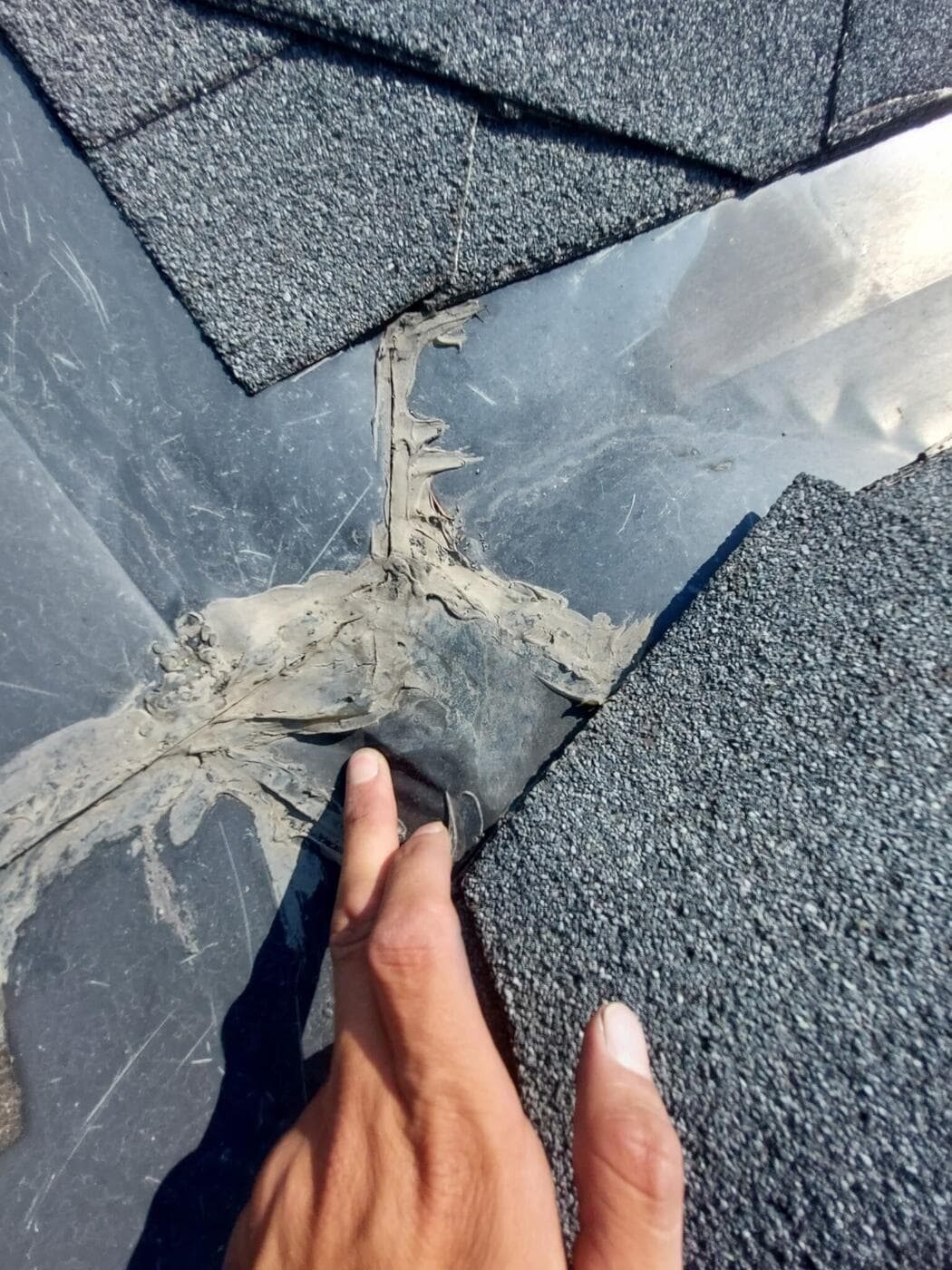
Cracked sealant at a roof valley found during an inspection
BASICS6 MIN
Repairs & Maintenance

Finding a roof leak: where the water is really coming from

The stain on your ceiling is where the water landed, not where it got in: water runs along the roof boards and rafters first, so the real entry point is usually higher up, at a pipe boot, flashing, a valley or a skylight. Look from the attic and the ground, never from a wet or icy roof, and in a Calgary winter rule out melting attic frost first, because it looks exactly like a leak.
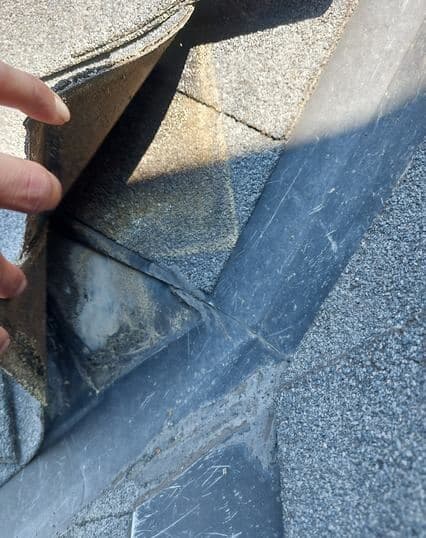
A lifted valley shingle found during a repair
BASICS5 MIN
Repairs & Maintenance

Seasonal roof maintenance checklist for Calgary homes

Most roof maintenance is looking, and you can do nearly all of it from the ground and the attic: clean eavestroughs in spring and late fall, check the attic for frost after cold snaps and for stains after heavy rain, and trim branches off the roof. In Calgary, add a look after every hail or wind storm, and call a pro for anything that means walking on the roof.

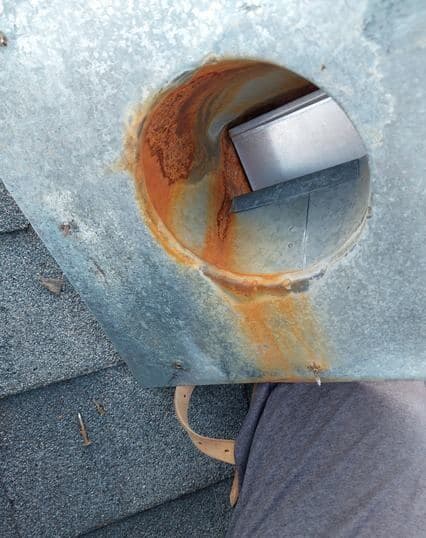
Vent flashing rusted through around the collar
BASICS5 MIN
Repairs & Maintenance

Wind damage to shingles: what it looks like and what it means

Wind damage shows up as creased, torn, lifted or missing shingles, most often at the eaves, edges and ridges where uplift is strongest. A few missing shingles often means the ones beside them have lost their seal too, so photograph the damage, have the slope checked and read your policy before deciding whether to claim.

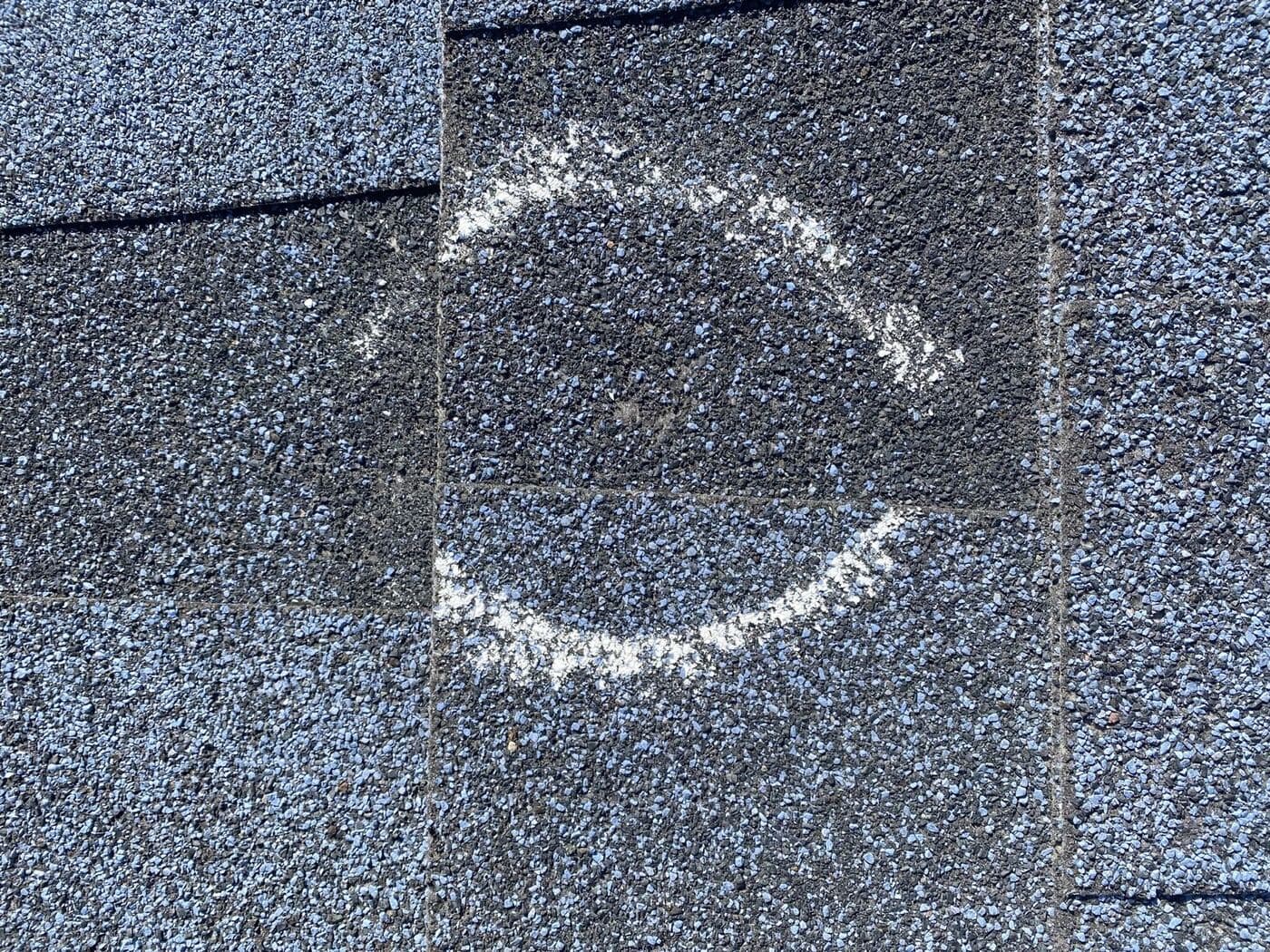
A chalk circle marking a hail bruise on a shingle
BASICS6 MIN
Repairs & Maintenance

Hail damage or wear? Telling shingle problems apart

Hail leaves a random scatter of hits, often soft bruises that still have granules in them, and it usually dents gutters, vents and other soft metal on the house too. Blisters, even granule loss, scuffs along a walking path and popped nails come from age, manufacturing or installation instead, and that difference decides what your insurance covers.

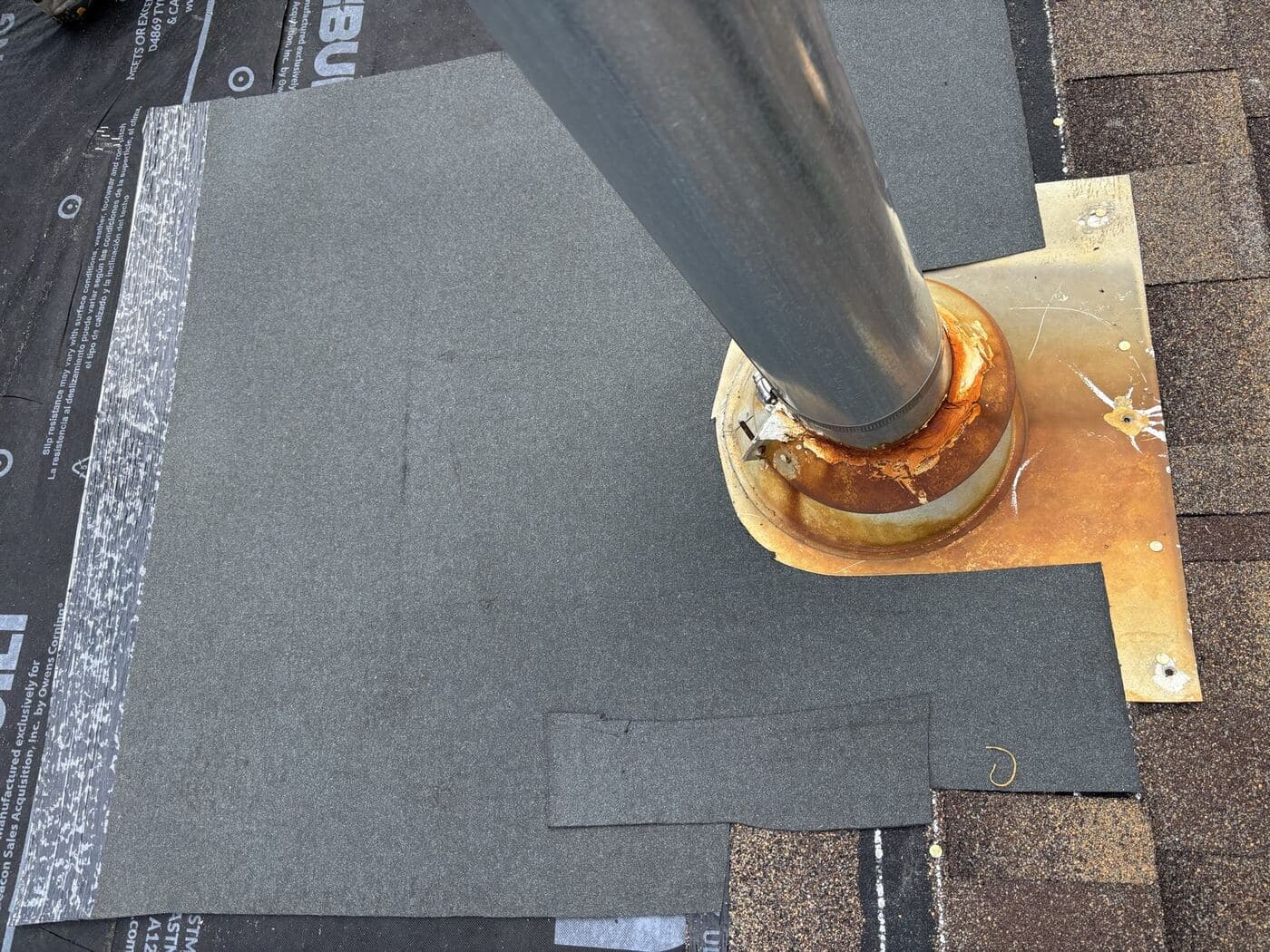
Rusted vent collar exposed during tear-off
DEEP DIVE6 MIN
Repairs & Maintenance

Ice dams in Calgary: why they form and how to stop them

An ice dam is a ridge of ice along the roof edge that forms when heat leaking into the attic melts the snow and the water refreezes at the cold eaves, then backs up under the shingles. Calgary's chinooks run that melt-and-freeze cycle many times a winter, and the lasting fix is in the attic, with air sealing, insulation and ventilation, not on the roof.

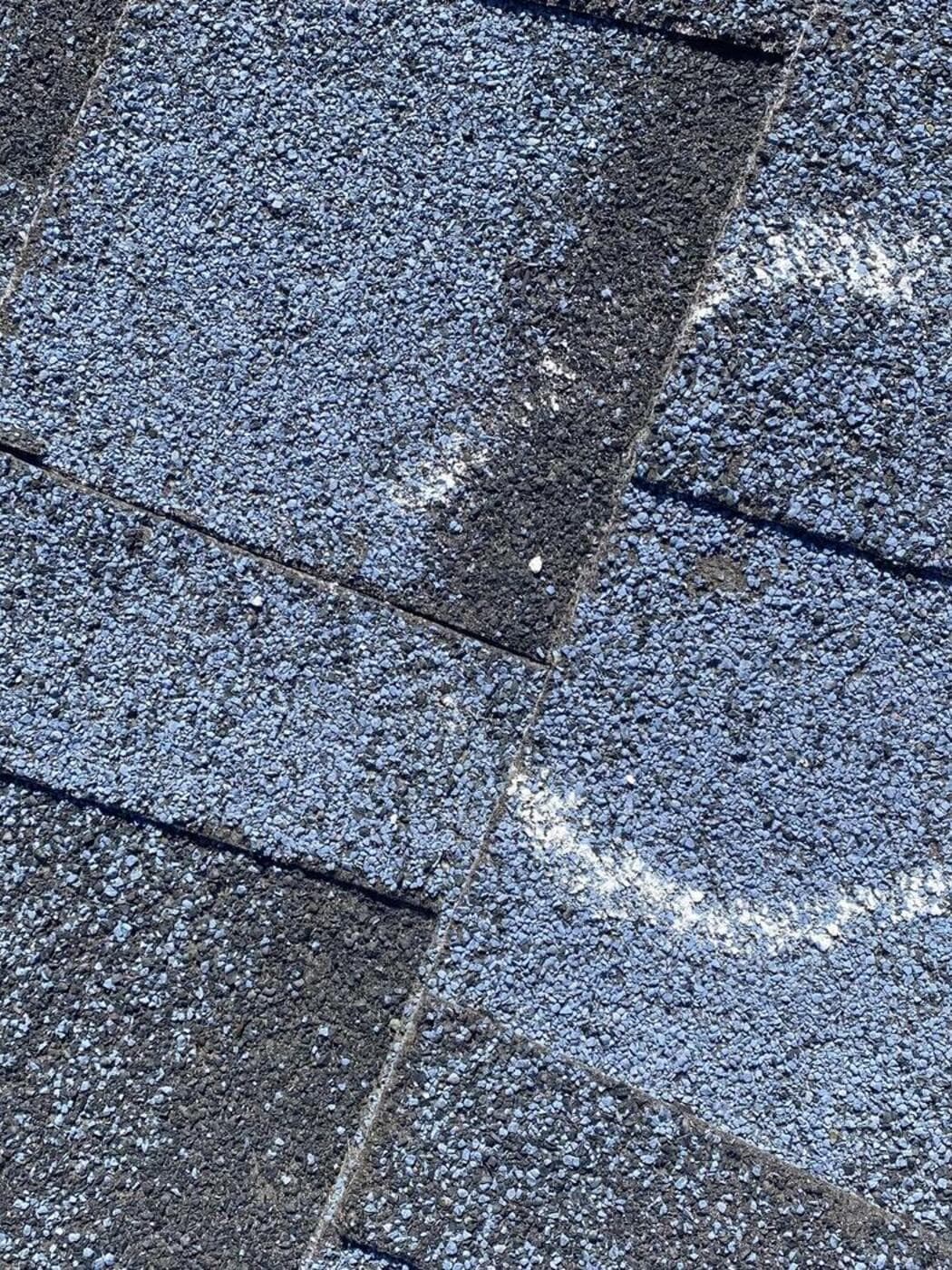
A hail hit circled in chalk on a shingle
BASICS7 MIN
Insurance Claims

The roof insurance claim, step by step

An Alberta roof claim goes in a set order: tell your insurer in writing, stop further damage, document everything, get the roof inspected, agree the scope and estimate, file a sworn proof of loss, then settle and repair. Once a completed proof of loss is delivered, Alberta law says the loss is payable within 60 days unless your policy sets a shorter period.

QUESTIONS

STRAIGHT ANSWERS.

What should I do right now if my roof is leaking?

Stay off the roof, catch the water inside, and photograph everything. Put a container under the drip, move furniture and anything valuable, and keep clear of any light fixture with water near it. If a storm caused it, report the damage to your insurer as soon as you can.

Should I put a tarp up myself?

Only from inside, and only if it's safe. Don't go on a wet, windy or hail-damaged roof. After a storm, Alberta roofs are covered in loose granules that roll underfoot like ball bearings, and that's how people get hurt.

Will my insurance cover an emergency roof repair?

Sudden damage from a storm, wind or a falling branch is generally what a policy is for; a roof that slowly wore out usually isn't. The photos from the first visit are what show which one you have. Your policy decides what's covered, and we make sure the evidence exists.

How fast can you get there?

It depends on the day and on how many other people are calling. After a major storm, every roofer in Calgary is triaging at once, and anyone promising you a guaranteed hour is guessing.

RELATED
EMERGENCY REPAIR

WATER COMING IN?START HERE.

Tell us where the water is getting in.

OR REACH US DIRECTLY
EMAILcontact@bigboyroofing.ca
GET A REPAIR QUOTE

Giving us your number means you're okay with us calling or texting you about your roof (scheduling and quote updates, nothing else). Reply STOP anytime.

GET A REPAIR QUOTE